
For small and medium-sized oil enterprises, choosing the right oil pressing equipment is crucial for enhancing production efficiency and competitiveness. This article delves into the key factors that should be considered during the equipment selection process and offers insights on how to balance performance and cost.
Pressing efficiency is one of the most important factors. High - efficiency oil presses can extract more oil from the same amount of raw materials. According to industry reports, modern oil presses can achieve an oil extraction rate of up to 90% for some common oilseeds. For example, in a case study of a small - scale soybean oil production enterprise, upgrading to a high - efficiency oil press increased the daily oil output by 20%.
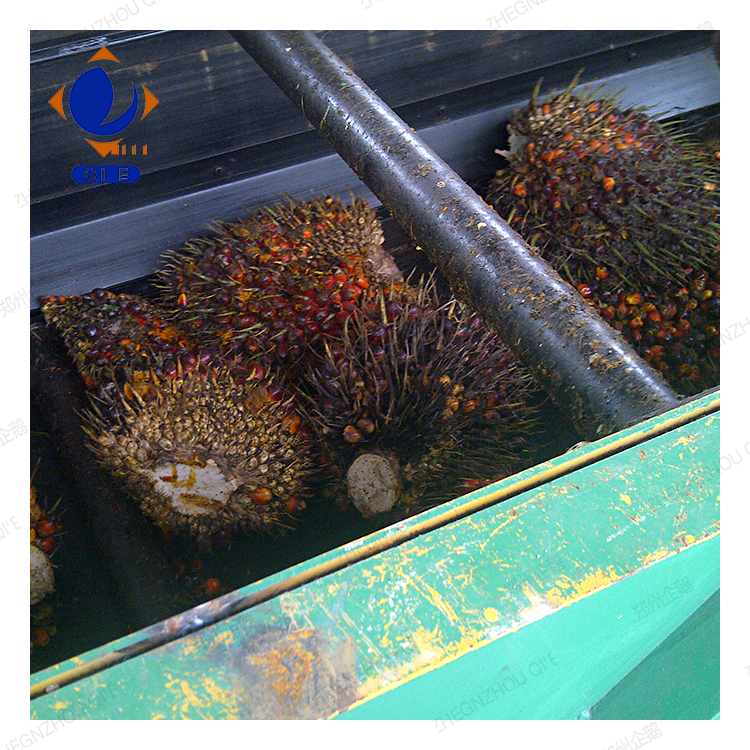
Energy consumption is directly related to production costs. Advanced oil presses are designed to be energy - efficient. Newer models can reduce energy consumption by 15% - 20% compared to older ones. By choosing energy - efficient equipment, enterprises can save a significant amount on electricity bills over the long term. For instance, a medium - sized peanut oil enterprise was able to cut its annual energy costs by $10,000 after replacing its old equipment with energy - efficient ones.
Simple and user - friendly operation is essential, especially for small and medium - sized enterprises with limited technical staff. Equipment with intuitive control panels and clear operating instructions can reduce the training time for operators. A survey showed that 80% of operators preferred oil presses with easy - to - use interfaces, which also led to fewer operational errors.
Different oil presses are suitable for different types of oilseeds. Some presses are designed for a single type of oilseed, while others can handle multiple types. A multi - purpose oil press can provide more flexibility for enterprises that process different oilseeds. For example, a press that can handle both soybeans and rapeseeds allows an enterprise to adapt to market demand changes more easily.
Multifunctional oil presses that combine functions such as pre - treatment, pressing, and filtration can streamline the production process. This not only saves space but also improves overall production efficiency. A company that adopted a multifunctional oil press reported a 10% increase in overall production efficiency due to the reduced transfer time between different production steps.
The quality of the equipment's materials determines its durability and reliability. High - quality materials can withstand long - term use and harsh production environments. For example, oil presses made of stainless steel are more resistant to corrosion and wear, which can extend the service life of the equipment by 3 - 5 years.
In the current market, there is a wide range of oil pressing equipment with different performance levels and prices. Enterprises need to balance performance and cost based on their actual production needs. By referring to industry reports and comparing different products, enterprises can find the most cost - effective solution. For example, a small - scale olive oil enterprise was able to find an oil press that met its performance requirements at a price 10% lower than the market average by conducting in - depth market research.
Supplier support and after - sales service are also crucial factors. A reliable supplier can provide timely technical support, spare parts, and maintenance services. In a case where an oil press broke down during peak production season, a supplier with good after - sales service was able to send a technician to the site within 24 hours, minimizing the production downtime.
Are you ready to take your oil production to the next level? Discover the perfect oil pressing equipment solution for your enterprise by clicking here. Our team of experts is ready to assist you in making the right choice.





