In the realm of small - scale oil production, understanding the key points of oil crop pretreatment and its influence on oil content is crucial for enhancing processing efficiency. This article delves deep into the essential aspects of pretreatment for a variety of oil crops in small oil mills and how they affect the oil extraction rate.
Small oil mills often process a wide range of oil crops, including soybeans, peanuts, and various miscellaneous seeds such as rapeseeds, sunflower seeds, and sesame seeds. Each type of oil crop has its unique physical characteristics and oil content.
For example, soybeans typically have an oil content ranging from 18% - 22%. Their relatively large size and hard outer shell require specific pretreatment steps. Peanuts, on the other hand, have an oil content of about 45% - 55%. The high oil - bearing nature of peanuts makes them a popular choice for oil extraction in small mills.
Miscellaneous seeds like rapeseeds can have an oil content of 35% - 45%, and sunflower seeds usually contain 30% - 50% oil. Understanding these differences is the first step in optimizing the oil - extraction process.
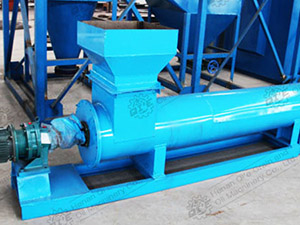
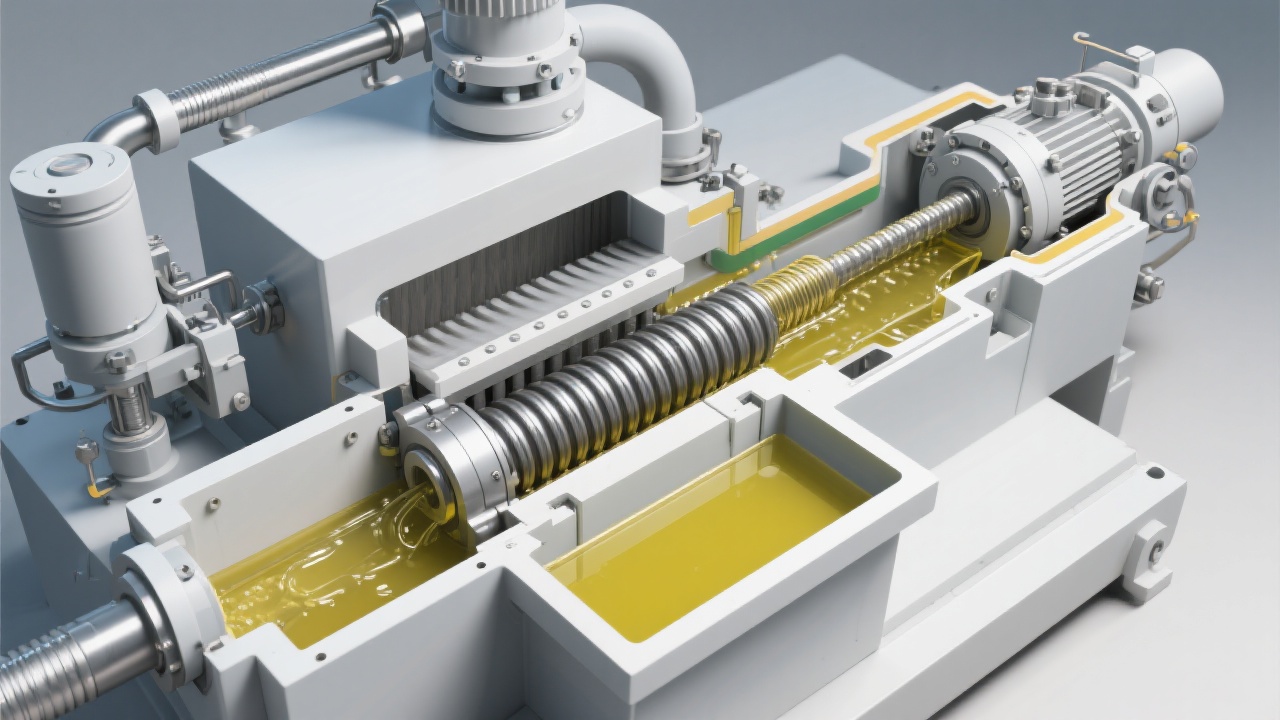
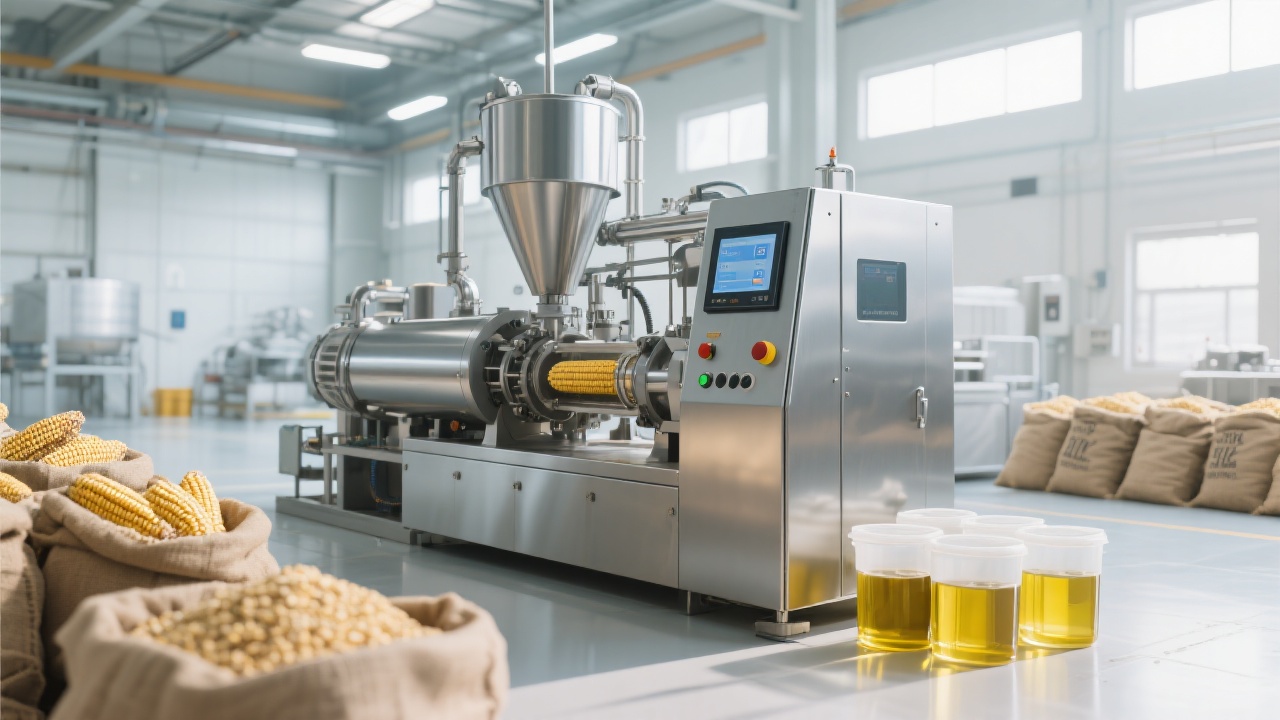
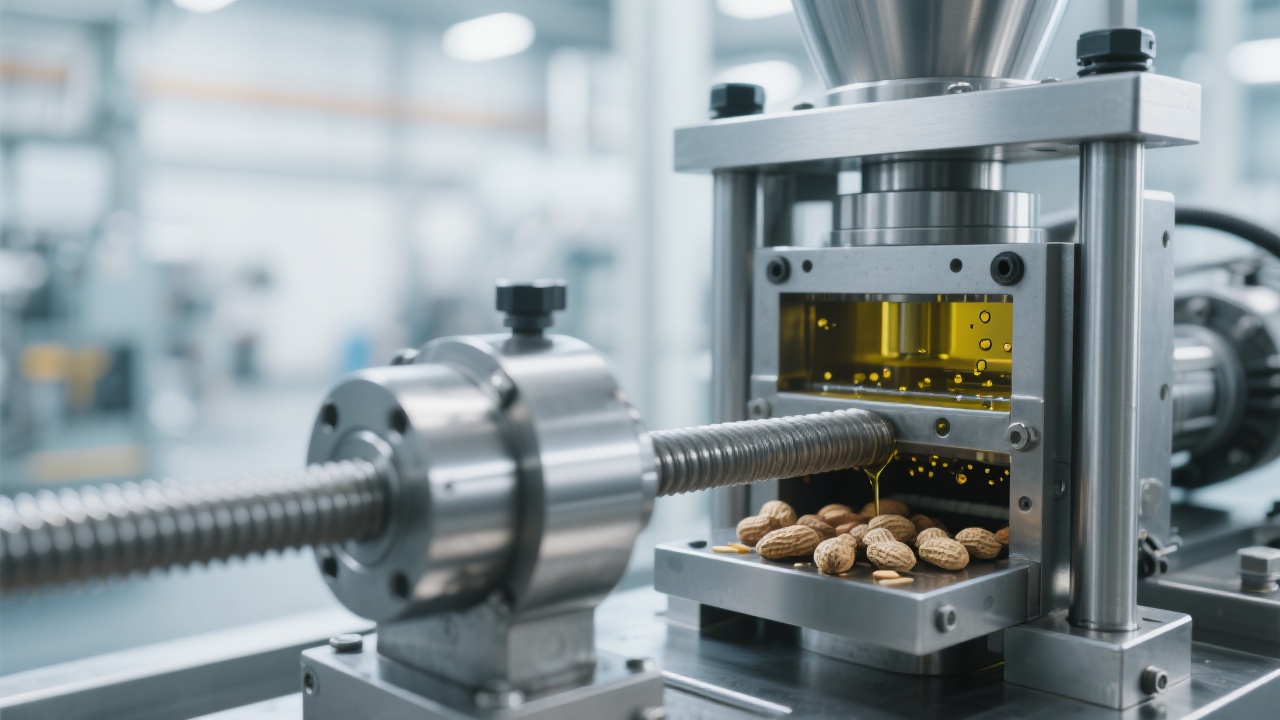
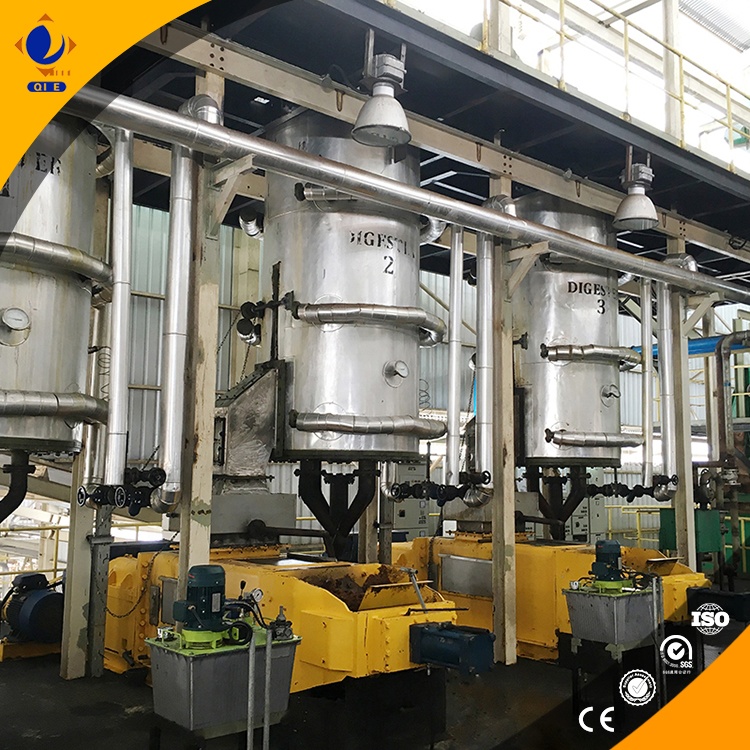
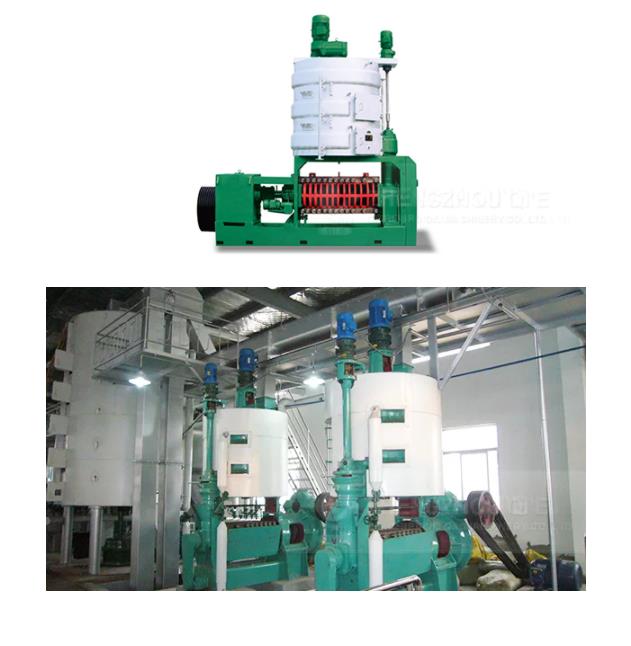
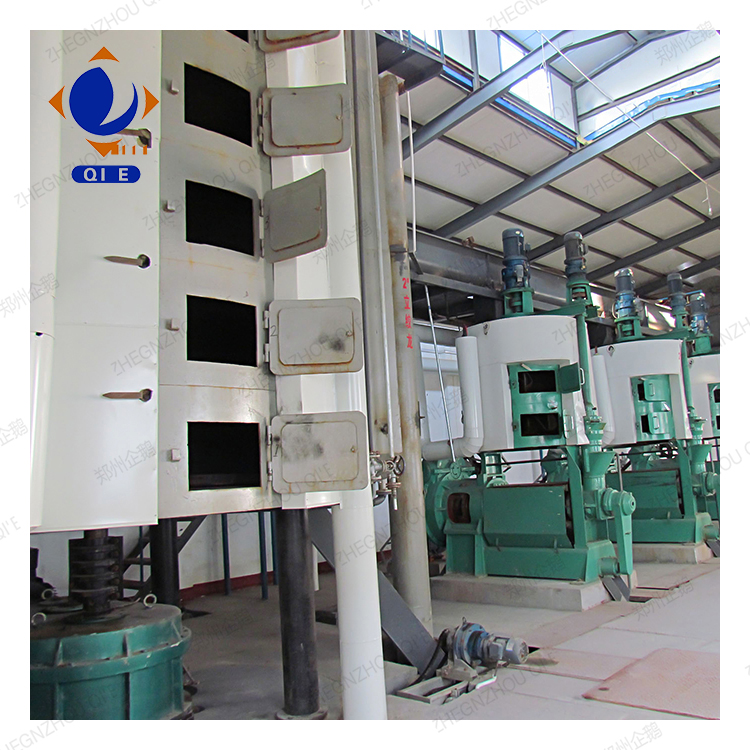
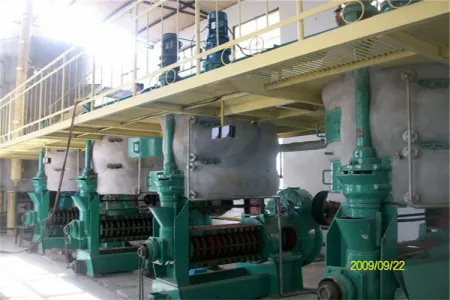
The screw cold press machine is a common piece of equipment in small oil mills. Adjusting its key parameters, such as moisture management, crushing particle size, and feed rate, is essential for improving oil extraction efficiency.
The moisture content of oil crops significantly affects the oil - extraction process. For soybeans, the ideal moisture content before pressing is around 10% - 12%. If the moisture is too high, the oil will be more difficult to separate from the pulp, and the press cake may be sticky. If the moisture is too low, the oil yield may decrease. For peanuts, a moisture content of 6% - 8% is optimal.
The appropriate crushing particle size varies for different oil crops. For rapeseeds, a particle size of 1 - 2 mm is recommended. A proper particle size ensures that the oil cells are broken effectively during the pressing process, facilitating better oil extraction. If the particles are too large, the oil cells may not be fully broken; if they are too small, the press cake may be too dense, hindering the flow of oil.
The feed rate should be adjusted according to the type of oil crop and the capacity of the press machine. For example, when processing sunflower seeds, a moderate feed rate of about 20 - 30 kg per hour can help maintain a stable oil - extraction process. A too - high feed rate may cause the machine to overload, while a too - low feed rate will reduce production efficiency.
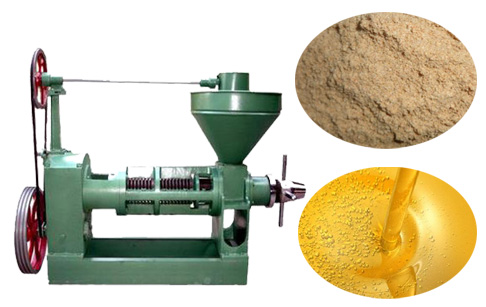
Based on real - world industry experience, when a small oil mill in [Location] switched from processing peanuts to rapeseeds, it encountered problems such as low oil yield and unstable machine operation. By adjusting the moisture content of rapeseeds to 12%, the crushing particle size to 1.5 mm, and the feed rate to 25 kg per hour, the mill was able to increase its oil yield by 5% and achieve stable production.
To further assist small oil mill owners and technicians, here is a debugging flowchart and a troubleshooting checklist:
To enhance user participation and content dissemination, the information in this article will be presented in a phased tutorial series. These tutorials will be continuously published on the official website and social media platforms, accompanied by interactive Q&A sessions.
This approach not only helps small oil mill owners and technicians better understand and apply the knowledge but also provides a platform for them to share their experiences and solve problems together.
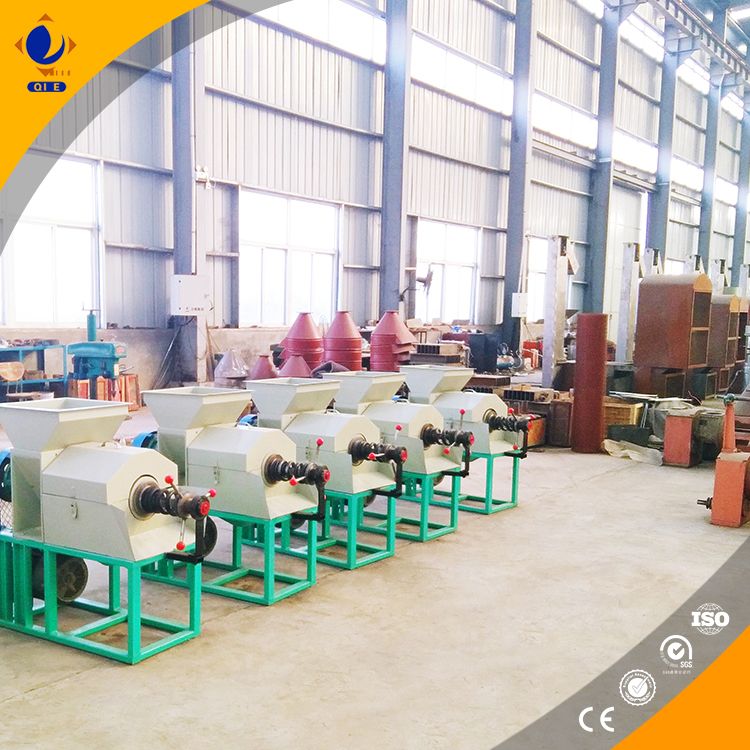
If you are a small oil mill owner or technician aiming to enhance your processing technology and profitability, we invite you to explore our high - quality solutions. Our professional team is dedicated to providing you with the most suitable services and products. Welcome to consult and learn about the fully automatic screw cold press machine suitable for various oil crops, which can help your oil mill increase production efficiently!

 118
|
118
|
 Corn germ oil press
Intelligent temperature control system
Vegetable oil extraction rate
Grain and oil processing equipment
Physical pressing process
Corn germ oil press
Intelligent temperature control system
Vegetable oil extraction rate
Grain and oil processing equipment
Physical pressing process
 429
|
["low energy peanut oil press machine"
"intelligent control peanut oil extractor"
"peanut oil production efficiency"
"modern oil processing equipment"
"food-grade oil press system"]
429
|
["low energy peanut oil press machine"
"intelligent control peanut oil extractor"
"peanut oil production efficiency"
"modern oil processing equipment"
"food-grade oil press system"]
 149
|
oil press efficiency
vegetable oil extraction process
automated oil pressing machine
oil yield optimization
intelligent oil processing equipment
149
|
oil press efficiency
vegetable oil extraction process
automated oil pressing machine
oil yield optimization
intelligent oil processing equipment
 140
|
Fully automatic peanut oil press installation precautions
Peanut oil production line site preparation
Press installation technical essentials
Automated oil equipment installation guide
Peanut oil production equipment site selection suggestions
140
|
Fully automatic peanut oil press installation precautions
Peanut oil production line site preparation
Press installation technical essentials
Automated oil equipment installation guide
Peanut oil production equipment site selection suggestions
 368
|
automatic oil press machine
oil extraction equipment
oil press maintenance tips
small oil mill operations
oil pressing process optimization
368
|
automatic oil press machine
oil extraction equipment
oil press maintenance tips
small oil mill operations
oil pressing process optimization