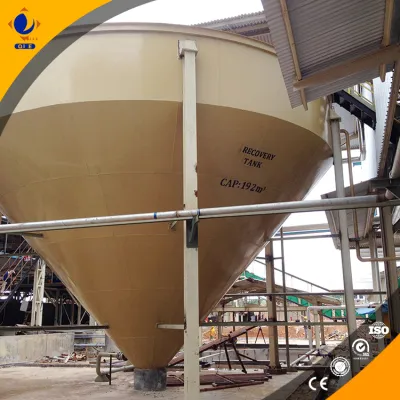
For oilseed processors, the choice between small-scale and large-scale corn germ oil production isn’t just about capacity—it’s about precision, flexibility, and maximizing return per kilogram of raw material. Whether you're running a 5-ton/day pilot plant or a 50-ton/day industrial line, understanding how to configure your pressing system can make the difference between marginal returns and profitable operations.
Small-scale lines often prioritize modular equipment—like single-screw hydraulic presses with adjustable torque settings—to allow operators to fine-tune pressure based on feedstock moisture content. In contrast, large-scale setups typically use multi-stage continuous presses (e.g., 3–5 stations) with automated temperature control loops for consistent output.
| Parameter | Small Scale (≤10 t/day) | Large Scale (>20 t/day) |
|---|---|---|
| Recommended Press Pressure | 1.2–1.5 MPa | 1.6–1.8 MPa |
| Temperature Control Range | 40–55°C | 50–65°C |
| Oil Yield Improvement Potential | +5–8% | +10–15% |
One common mistake? Setting press temperatures too high (>65°C). This leads to oxidative degradation, darker oil color, and reduced shelf life—a costly oversight that affects both quality and marketability. Real-world data from a Thai processor shows that adjusting from 70°C to 58°C improved final product clarity by over 30%, while increasing yield slightly due to better cell wall rupture without thermal damage.
A case study from a Vietnamese OEM illustrates this principle well: they used the same model of horizontal screw press across two clients—one producing 8 tons/day, another at 40 tons/day. By modifying feed rate, pre-heating duration, and pressure ramp-up speed, both achieved similar extraction efficiencies (around 92% of theoretical maximum). The key? Real-time monitoring via an embedded smart thermostat system that adjusts automatically based on real-time moisture readings.
This approach doesn't require expensive upgrades—it's about leveraging existing hardware intelligently. For smaller players, it means avoiding capital-intensive overbuilding. For larger ones, it ensures no wasted energy or throughput bottlenecks.
You’ve probably faced challenges like inconsistent oil clarity or low yield despite using good-quality corn germ. What’s your biggest pressing hurdle?
Share your experience below—we’ll feature top insights in our next technical guide.





