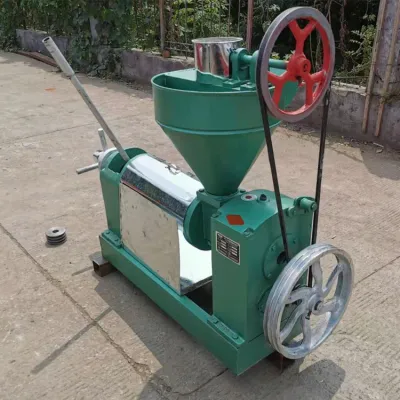
As a small workshop owner or home user looking to venture into soybean oil production, selecting the right oil press machine can be a daunting task. With so many technical specifications and options available, how do you ensure you're making an investment that will deliver efficient performance, high-quality oil, and long-term reliability? In this guide, we'll break down the critical factors you need to consider, focusing specifically on motor power, capacity, and how these elements work together to create the perfect solution for your needs.
Before diving into technical specifications, it's essential to clearly define your production goals. Are you planning to produce oil for personal use only, or do you aim to sell to local customers? According to industry data, most small-scale operations start with a daily capacity of 50-500 kg of soybeans, which translates to approximately 15-150 liters of oil per day, depending on soybean quality and oil extraction efficiency.
Consider your projected daily output, operating hours, and long-term growth plans. This initial assessment will serve as the foundation for all subsequent equipment decisions.
The motor power of your oil press directly impacts its performance capabilities. For small-scale operations, motor power typically ranges from 1.5 kW to 7.5 kW. But how do you determine the right power for your needs?
A general rule of thumb is that higher motor power allows for higher throughput and better extraction efficiency, especially with harder oilseeds like soybeans. However, more power also means higher energy consumption, so finding the right balance is crucial.
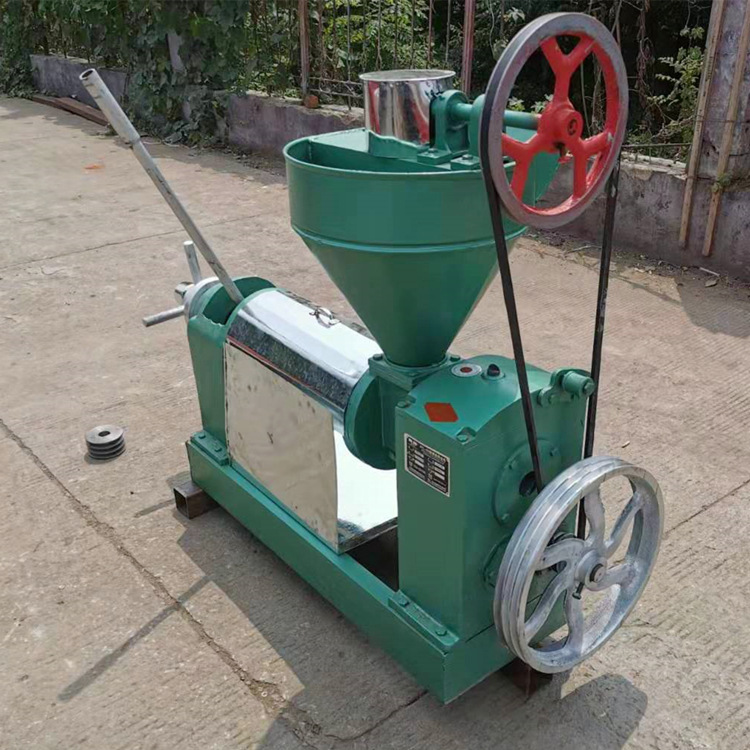
Screw speed, measured in rotations per minute (RPM), works in conjunction with motor power to determine your press's efficiency and oil quality. Most small to medium oil presses operate at screw speeds between 30-60 RPM.
Lower RPM generally results in better oil quality as it reduces heat generation during pressing, preserving the oil's natural nutrients and flavor. However, this comes at the cost of lower throughput. Higher RPM increases production capacity but may require more power and could potentially affect oil quality if not properly controlled.
Oil press capacity is typically measured in kilograms of raw material processed per hour (kg/h). For small workshops, capacities usually range from 5 kg/h to 50 kg/h. When evaluating capacity, consider both your current needs and future growth potential.
It's important to note that the actual capacity may vary based on several factors, including soybean moisture content, seed preparation, and operator experience. A good practice is to select a machine with a capacity that exceeds your current needs by approximately 20% to account for these variables and potential business growth.
The evolution from manual to automatic oil presses has revolutionized small-scale oil production. Traditional manual presses require significant physical effort and typically produce 3-5 kg of oil per hour with 1-2 operators. In contrast, modern automatic models like those offered by 企鹅集团 (Penguin Group) can produce 10-50 kg of oil per hour with minimal labor.
Modern machines offer several advantages: consistent oil quality, lower labor requirements, easier cleaning, and better safety features. While the initial investment may be higher, the long-term savings in time and labor often justify the cost difference within 6-12 months of operation.
Energy consumption represents a significant portion of the operating costs for oil pressing operations. Modern energy-efficient models can reduce electricity usage by 15-30% compared to older designs. Look for machines with variable speed drives and optimized screw designs that minimize energy waste.
An energy-efficient 3 kW motor pressing 20 kg/h of soybeans would typically consume around 0.15 kWh per kg processed, resulting in lower operational costs and a smaller environmental footprint.
.jpg)
The materials used in your oil press directly impact the safety and quality of your final product. Look for machines constructed with food-grade stainless steel (304 grade or higher) in all areas that come into contact with soybeans or oil.
Avoid presses with galvanized components or low-quality plastics, as these can leach harmful substances into the oil. Reputable manufacturers like 企鹅集团 (Penguin Group) prioritize food safety by using only approved materials and implementing strict quality control processes.
Let's consider two common scenarios to illustrate how these technical parameters translate to real-world applications:
Daily Requirement: 10-15 kg soybeans (3-5 liters oil)
Recommended: 1.5-2.2 kW motor, 5-10 kg/h capacity
Best Features: Compact size, easy cleaning, safety features
Daily Requirement: 100-200 kg soybeans (30-60 liters oil)
Recommended: 3-5.5 kW motor, 20-30 kg/h capacity
Best Features: Continuous operation, higher automation, oil filtering system
These scenarios demonstrate how matching motor power to production needs creates an efficient, cost-effective operation. Investing in a machine that's either underpowered or excessive for your needs will result in higher operational costs and potential frustration.
.jpg)
Make an informed decision with our comprehensive Soybean Oil Press Selection Guide, designed specifically for small-scale producers like you.
Download Your Free Guide NowOur experts are also available for personalized consultations to help you find the perfect equipment for your specific needs.
Selecting the right soybean oil press is a critical decision that will impact your production efficiency, product quality, and overall business success. By carefully evaluating your capacity needs, understanding motor power requirements, and prioritizing energy efficiency and food safety, you can make an investment that will serve your operation for years to come. Remember that the cheapest option isn't always the best value—consider the total cost of ownership, including energy consumption, maintenance requirements, and expected lifespan when making your final decision.
 432
|
432
|
 oil press machine operation guide
oilseed oil press maintenance
oil press energy management
fully automatic oil press techniques
small and medium oil mill optimization
oil press machine operation guide
oilseed oil press maintenance
oil press energy management
fully automatic oil press techniques
small and medium oil mill optimization
 243
|
high-efficiency corn germ oil press machine
corn germ oil extraction rate
intelligent temperature control pressing machine
grain and oil processing equipment comparison
commercial oil press advantages
243
|
high-efficiency corn germ oil press machine
corn germ oil extraction rate
intelligent temperature control pressing machine
grain and oil processing equipment comparison
commercial oil press advantages
 52
|
oilseed preprocessing equipment
efficient plant oil production solutions
comprehensive oilseed processing services
310
|
low energy peanut oil press machine
efficient energy-saving press machine
peanut oil press technology principles
368
|
automatic oil press machine
oil extraction equipment
oil press maintenance tips
small oil mill operations
oil pressing process optimization
52
|
oilseed preprocessing equipment
efficient plant oil production solutions
comprehensive oilseed processing services
310
|
low energy peanut oil press machine
efficient energy-saving press machine
peanut oil press technology principles
368
|
automatic oil press machine
oil extraction equipment
oil press maintenance tips
small oil mill operations
oil pressing process optimization