.jpg?x-oss-process=image/resize,h_400,m_lfit/format,webp)
For small and medium-sized edible oil producers, even a 1% increase in oil yield can translate to thousands of dollars in annual profit while maintaining product quality. This technical guide explores how precise temperature and pressure control can transform your soybean oil extraction process.
Soybeans contain approximately 18-22% oil content, but extracting this oil efficiently requires understanding both physical and chemical transformations during processing. The cellular structure of soybeans begins to break down at temperatures between 60-80°C, releasing oil bodies that coalesce under pressure. However, exceeding 110°C can cause protein denaturation and oil oxidation, negatively impacting both yield and quality.
Temperature management throughout the extraction process directly impacts both quantity and quality of the final product. Preheating soybeans to the ideal temperature range before pressing can increase oil yield by 5-8% compared to processing at ambient temperatures, according to research published in the Journal of Food Engineering.
.jpg)
Softens the soybean cell walls and reduces oil viscosity without initiating oxidation. Maintaining this temperature for 15-20 minutes allows for optimal moisture distribution.
Activates enzyme activity and further reduces oil viscosity. Temperature should be carefully monitored to prevent exceeding 110°C, which causes oil darkening and quality degradation.
Rapid cooling after extraction preserves oil quality by halting oxidation processes. Proper cooling can extend shelf life by 30% compared to ambient cooling methods.
The relationship between pressure and oil yield follows a typical收益递减曲线. Initial pressure increases from 20 to 50 MPa can提升出油率 by 12-15%, but beyond 60 MPa, the yield improvement diminishes to less than 1% per additional 10 MPa, while energy consumption increases exponentially.
.jpg)
Modern oil presses like those developed by 企鹅集团 incorporate programmable pressure profiles that adapt to different soybean varieties and moisture contents. The ideal pressure sequence typically follows a three-stage approach:
| Pressure Profile | Average Yield (%) | Energy Consumption (kWh/ton) |
|---|---|---|
| Constant 40 MPa | 16.2 | 82 |
| Progressive (20→50→40 MPa) | 18.7 | 78 |
| High Pressure (60 MPa constant) | 19.1 | 115 |
Effective temperature and pressure control must be supported by proper pretreatment processes. Research from the International Food Processing Association shows that combining optimized pretreatment with precise pressing parameters can提升整体出油率 by up to 22% compared to basic processing methods.
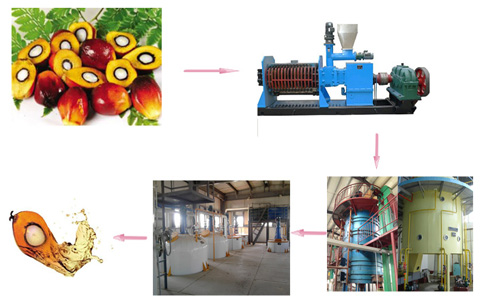
Each pretreatment step influences how soybeans respond to temperature and pressure during extraction. For example, under-flaked soybeans may require 10-15% higher pressure to achieve the same yield as properly flaked material, increasing energy costs and reducing equipment lifespan.
Discover how 企鹅集团's advanced oil press technology can help you achieve consistent temperature and pressure control for maximum yield and quality.
Access Expert-Designed Press Parameters for Your Specific NeedsEven with proper temperature and pressure control, processors may encounter specific challenges. Here are practical solutions to common problems:
Possible causes include incorrect moisture content, insufficient preheating, or pressure profile misalignment. Verify soybean moisture first, as even 2% deviation from the 8-10% target can reduce yield by 3-5%.
Typically results from excessive pressing temperature (over 110°C) or extended residence time. Implement temperature monitoring at multiple points in the press and adjust cooling rates.
Often caused by inconsistent flake thickness or uneven temperature distribution. Check flaking equipment calibration and ensure proper steam distribution in preheating stages.
For processors handling multiple oilseeds, it's important to recognize that optimal parameters vary significantly by crop. While soybeans perform best with moderate temperatures (90-105°C) and pressures (45-55 MPa), peanuts require lower temperatures (70-85°C) to prevent flavor degradation, and palm kernels need higher pressures (60-70 MPa) due to their dense cellular structure.
Continuous monitoring and data analysis are essential for maintaining optimal extraction conditions. Implementing regular sampling protocols and tracking key performance indicators allows for incremental adjustments that can lead to significant long-term improvements in both yield and quality.

 94
|
94
|
 vegetable oil processing trends
oil press technology innovation
oil refining process improvement
non-GMO vegetable oil demand
smart oil extraction system
vegetable oil processing trends
oil press technology innovation
oil refining process improvement
non-GMO vegetable oil demand
smart oil extraction system
 155
|
vegetable oil press yield
screw oil press operation
vegetable oil refining process
oilseed pressing optimization
oil press maintenance troubleshooting
304
|
cold and hot press integrated machine
home oil press operation
small workshop oil pressing equipment
multi-functional oil press maintenance
vegetable oil extraction technology
155
|
vegetable oil press yield
screw oil press operation
vegetable oil refining process
oilseed pressing optimization
oil press maintenance troubleshooting
304
|
cold and hot press integrated machine
home oil press operation
small workshop oil pressing equipment
multi-functional oil press maintenance
vegetable oil extraction technology
.jpg?x-oss-process=image/resize,h_300,m_lfit/format,webp) 451
|
multifunctional oil press machine
soybean oil yield
efficient oil pressing technology
grain and oil processing equipment
eco-friendly oil press equipment
451
|
multifunctional oil press machine
soybean oil yield
efficient oil pressing technology
grain and oil processing equipment
eco-friendly oil press equipment
 251
|
low temperature cold pressing technology
peanut oil yield improvement
small oil mill operation mistakes
spiral cold press machine
cold pressed peanut oil process
251
|
low temperature cold pressing technology
peanut oil yield improvement
small oil mill operation mistakes
spiral cold press machine
cold pressed peanut oil process
.jpg)