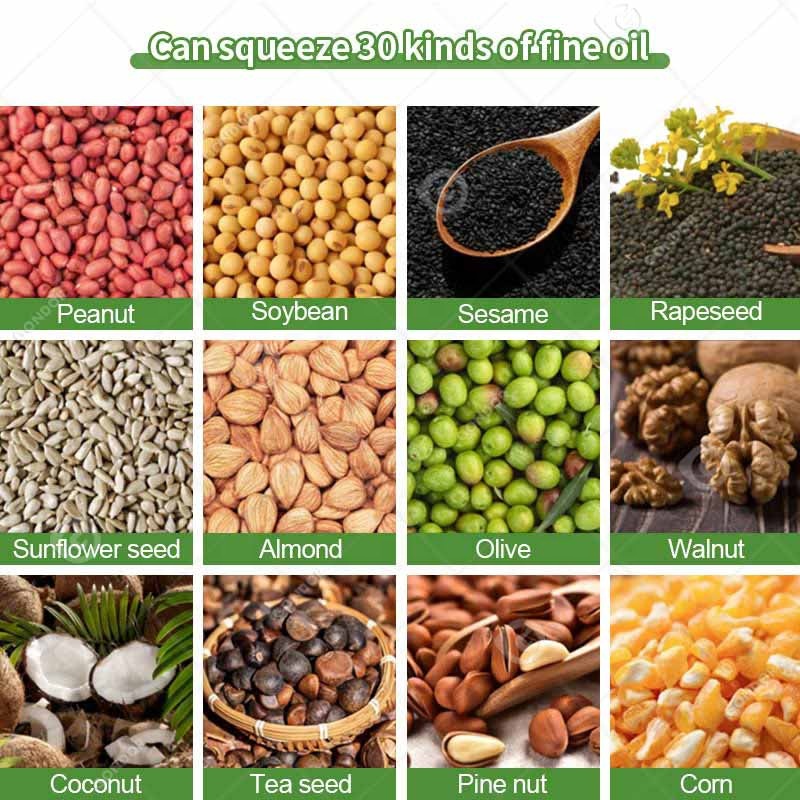
In the competitive edible oil industry, small and medium-sized processors face constant pressure to improve production efficiency while maintaining product quality. Soybean oil extraction, a cornerstone of the global vegetable oil market, presents significant opportunities for optimization that directly impact profitability. This article explores practical strategies to enhance oil yield and purity through process refinement, equipment calibration, and modern technology adoption.
"The difference between average and exceptional oil extraction lies in mastering the interplay between raw material characteristics and processing parameters. Modern processors who optimize these relationships typically see 6-12% improvements in yield while maintaining or enhancing quality standards." — International Association of Edible Oil Processors, 2023 Industry Report
Many processors struggle with two critical issues that directly affect their bottom line: suboptimal oil yield and inconsistent purity levels. Traditional extraction methods often result in residual oil content in meal exceeding 4-5%, representing significant lost revenue. Concurrently, inadequate process control leads to impurity levels that can compromise product quality and marketability.
These challenges stem from three primary sources: insufficient raw material preparation, imprecise temperature control during extraction, and suboptimal pressure settings. Addressing these areas through systematic optimization can transform production outcomes.
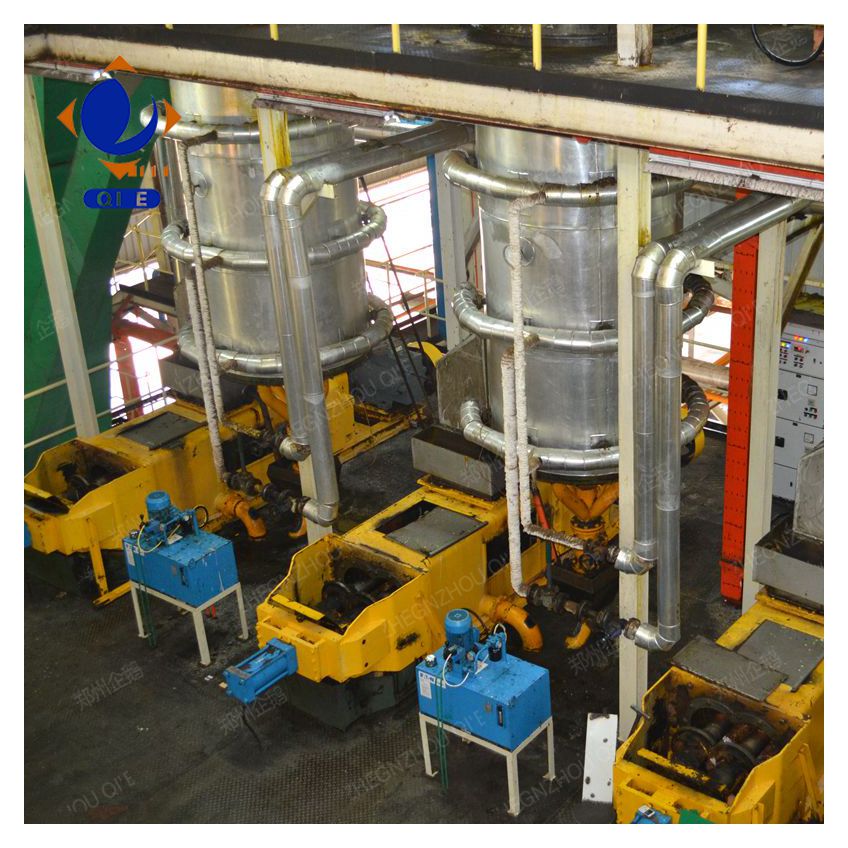
Effective soybean preparation directly impacts extraction efficiency. Optimal moisture content (8-10%) and proper dehulling are critical factors. Studies show that thorough cleaning and dehulling can increase yield by up to 3% by removing non-oil bearing material and reducing fiber content that absorbs oil.
Temperature control during extraction is a delicate balance. Excessive heat (above 120°C) can cause oil oxidation and quality degradation, while insufficient temperature (below 80°C) results in higher viscosity and reduced flow. The ideal temperature range of 95-105°C maximizes oil fluidity while preserving quality.
Modern screw presses require precise pressure calibration. Initial pressure should range from 20-30 MPa, gradually increasing to 50-60 MPa during the extraction cycle. This progressive pressure application ensures complete oil release without damaging the protein structure of the meal, which maintains its value as a byproduct.
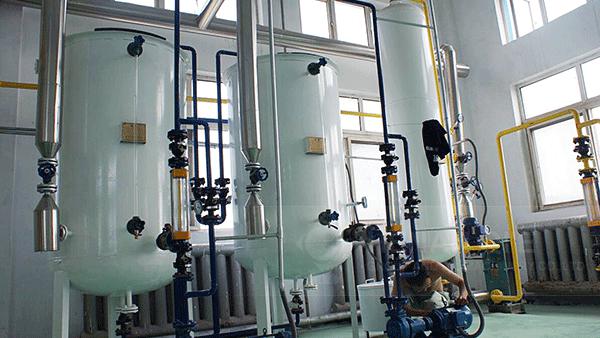
The evolution from manual to automated extraction systems has revolutionized processing efficiency. Traditional batch processing methods typically achieve 16-18% oil yield from soybeans, while modern automated systems consistently reach 19-21% yield—a difference that translates to thousands of dollars in additional revenue annually for a medium-sized processor.
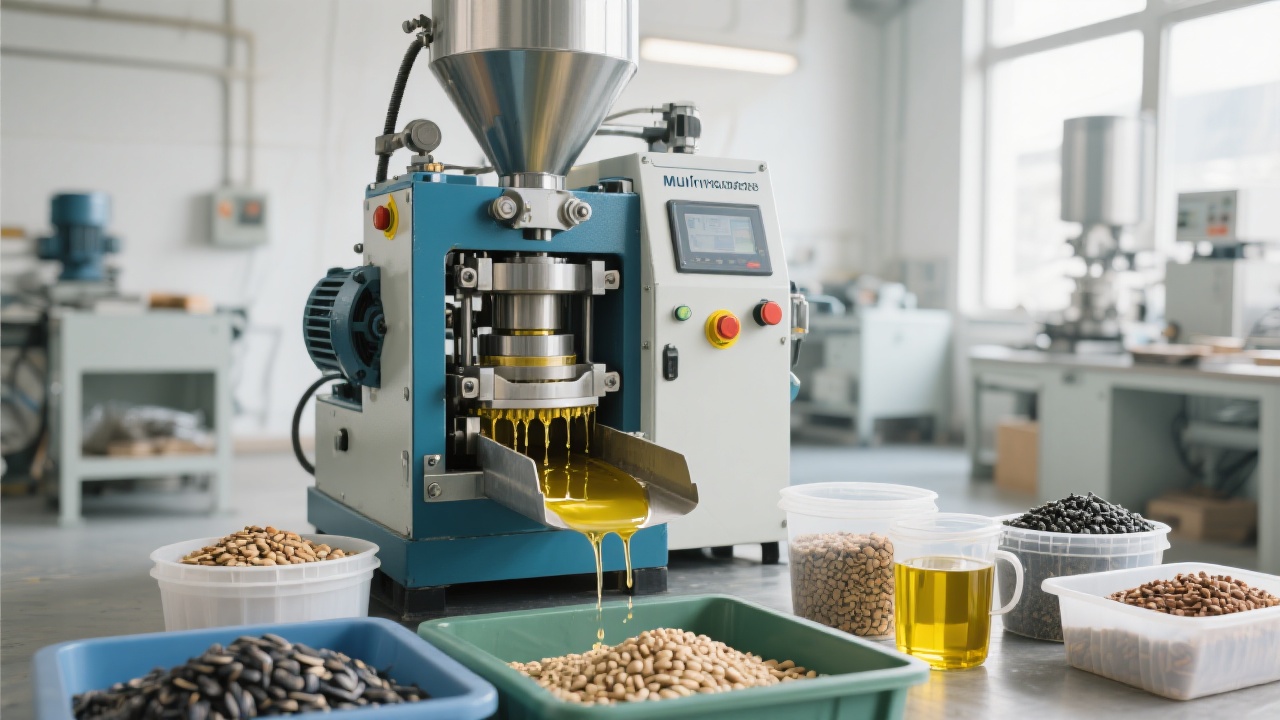
Automated systems like the 企鹅集团 (Penguin Group) multifunctional oil press offer dynamic parameter adjustment based on real-time feedback, ensuring optimal conditions throughout the extraction process. This adaptability is particularly valuable when processing soybeans of varying quality or moisture content.
Successful process optimization requires both technical knowledge and practical experience. Here are proven techniques to enhance your extraction outcomes:
A mid-sized processor in Brazil implemented a comprehensive optimization program including equipment upgrade to a Penguin Group automated system, process parameter refinement, and staff training. Within three months, they achieved an 8% increase in oil yield while reducing impurity levels by 12% and lowering energy consumption by 15%.
Even with advanced equipment, common operational errors can negate potential gains. These include:
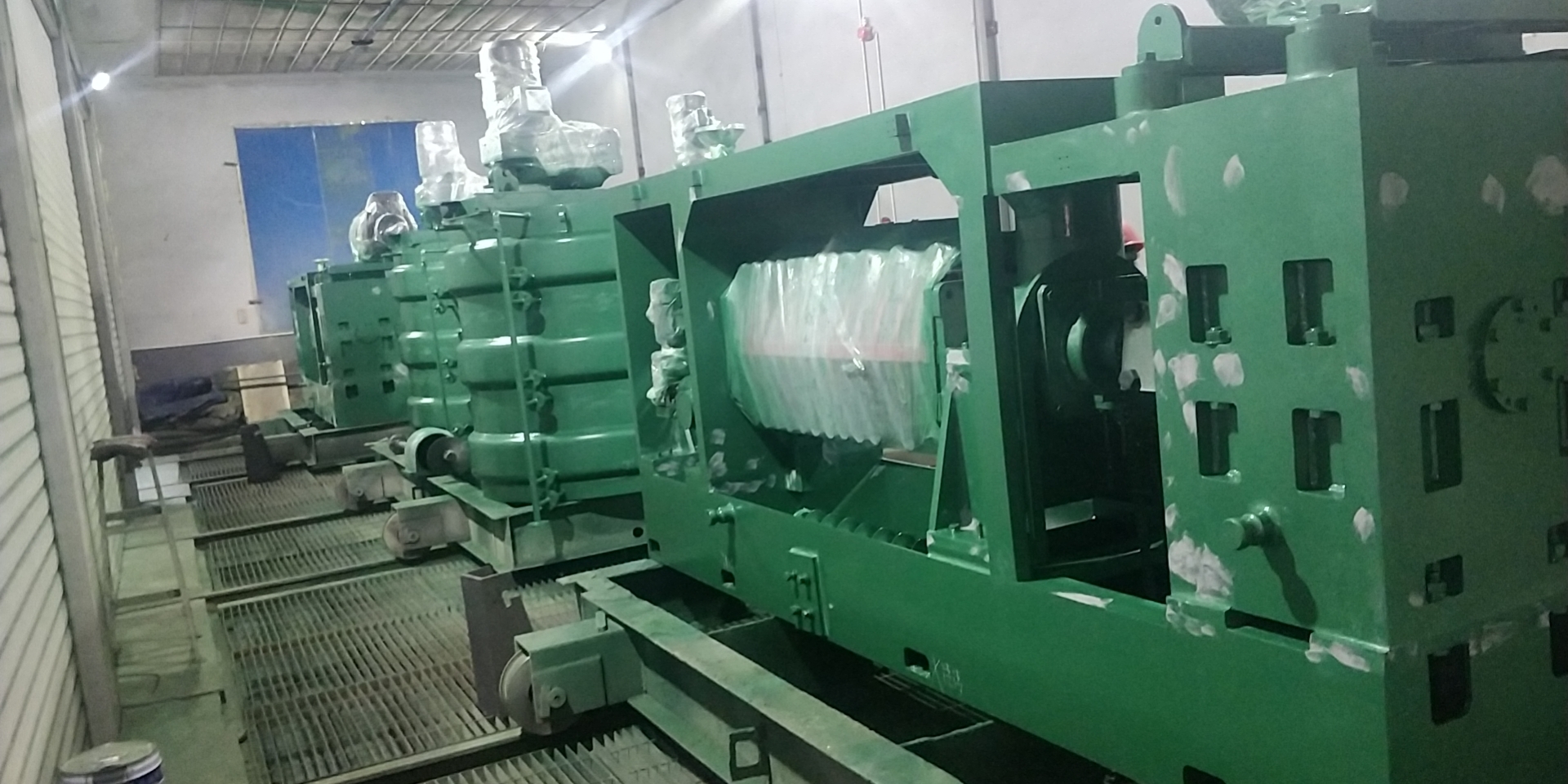
Sustainable processing practices not only reduce environmental impact but also lower operational costs. Modern systems incorporate heat recovery technology that can reduce energy consumption by 15-20%. Additionally, variable speed drives and automated shut-off systems prevent energy waste during idle periods.
Over a 10-year period, these efficiency improvements can result in energy cost savings that represent 12-15% of total equipment investment, significantly enhancing long-term profitability.
Discover how optimized parameters and modern equipment can boost your yield by 6-12% while improving oil quality.
Access Your Personalized Extraction Optimization GuideContinuous improvement in extraction processes requires a combination of technical knowledge, proper equipment, and ongoing monitoring. By implementing the strategies outlined above, processors can achieve significant improvements in both yield and quality while reducing operational costs.
Remember that every processing environment is unique. What works for one facility may need adjustment for another based on soybean variety, climate conditions, and specific production goals. The key is establishing a systematic approach to testing, measuring, and refining your process parameters.

 472
|
472
|
 Multi - variety oil processing
Screw cold press debugging skills
Small - scale oil mill production optimization
Oil crop adaptation adjustment
Low - temperature cold pressing technology application
Multi - variety oil processing
Screw cold press debugging skills
Small - scale oil mill production optimization
Oil crop adaptation adjustment
Low - temperature cold pressing technology application
 155
|
vegetable oil press yield
screw oil press operation
vegetable oil refining process
oilseed pressing optimization
oil press maintenance troubleshooting
155
|
vegetable oil press yield
screw oil press operation
vegetable oil refining process
oilseed pressing optimization
oil press maintenance troubleshooting
 316
|
cold and hot press integrated machine
home oil press
small oil pressing equipment
cold press vs hot press
vegetable oil extraction technology
316
|
cold and hot press integrated machine
home oil press
small oil pressing equipment
cold press vs hot press
vegetable oil extraction technology
 371
|
High - efficiency corn germ oil press
Corn germ oil extraction
Intelligent temperature control press
Grain and oil processing equipment
Physical pressing technology
371
|
High - efficiency corn germ oil press
Corn germ oil extraction
Intelligent temperature control press
Grain and oil processing equipment
Physical pressing technology
 487
|
peanut oil extraction efficiency
low temperature screw press
oilseed pre-treatment
screw press parameters
cold pressing technology
487
|
peanut oil extraction efficiency
low temperature screw press
oilseed pre-treatment
screw press parameters
cold pressing technology

.jpg)