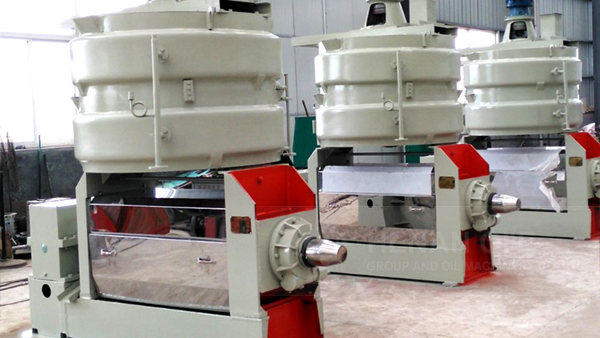
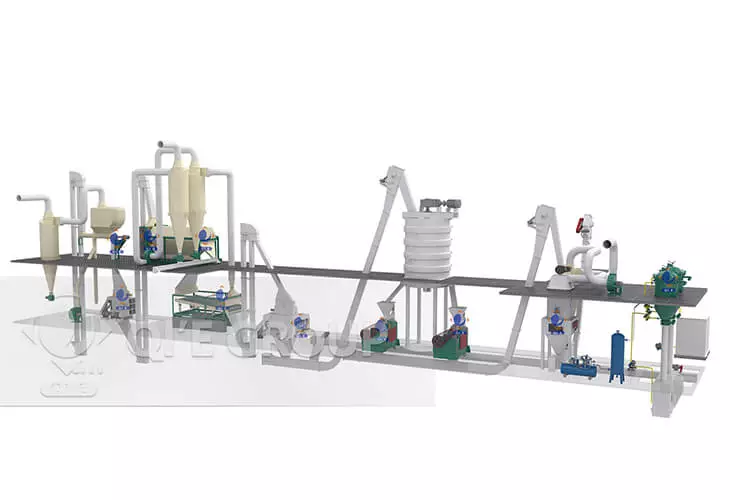
The soybean oil refining sector currently faces multiple challenges including low oil yield, residual impurities, and high energy consumption. These factors not only increase operational costs but also jeopardize compliance with stringent international food safety regulations. This article examines how breakthroughs in plant-based oil refining technologies — notably those pioneered by QIE Group’s multifunctional equipment — are transforming the extraction and purification workflow, maximizing output, and aligning quality with global standards.
Traditional soybean oil refining workflows often suffer from suboptimal extraction efficiency, with mechanical pressing methods typically achieving an oil yield ranging between 17%–19%. Additionally, prevalent impurities such as phospholipids, free fatty acids (FFAs), and colored substances remain problematic, requiring extensive refining steps that consume substantial energy. Furthermore, conventional refining can produce volatile organic compounds, contrary to international food safety expectations.
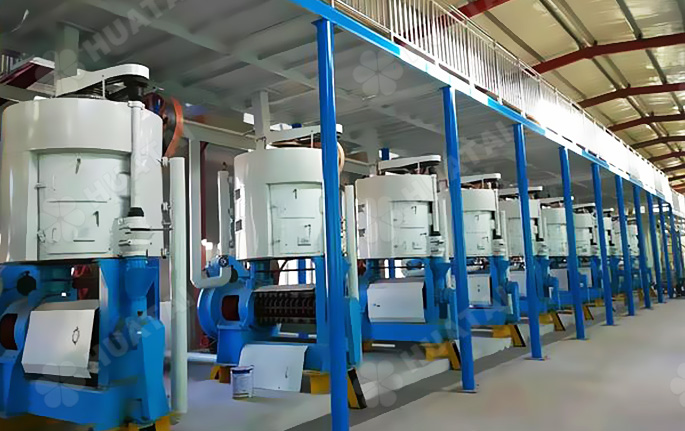
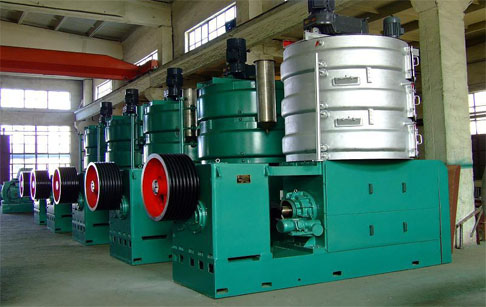
Modern soybean oil refining employs a synergistic multi-step process structured as follows: degumming → deacidification → bleaching → deodorization. The QIE Group has optimized this chain by enhancing pressing mechanics to increase extraction rates by up to 12% compared to outdated presses, reaching approximately 21% yield.
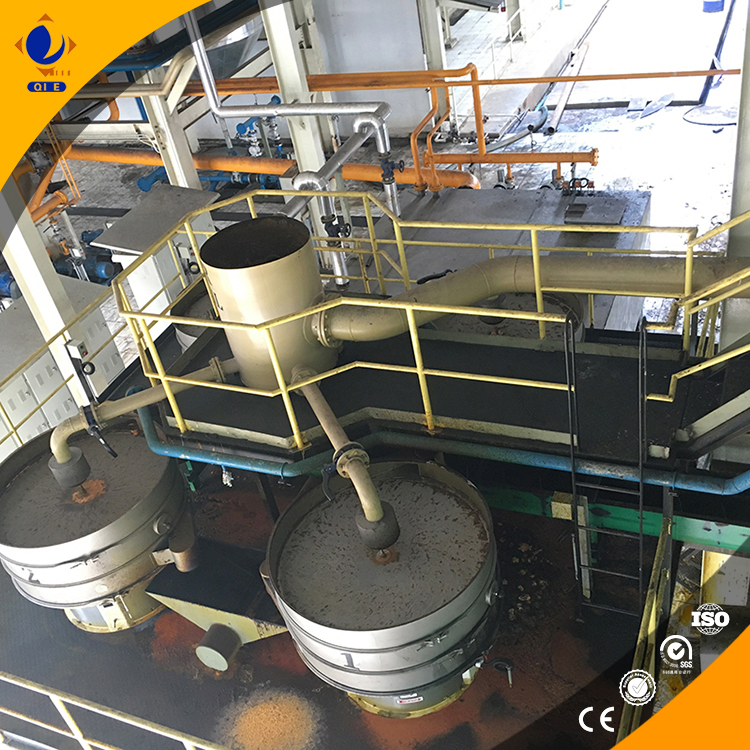
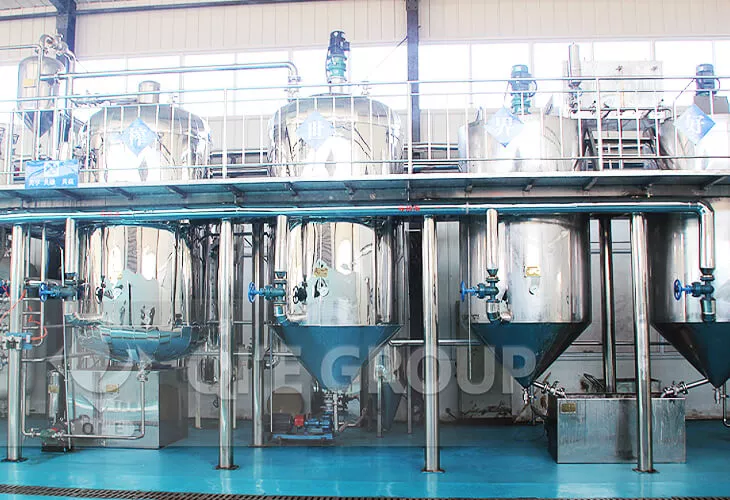
The removal of impurities is improved by adopting environmentally friendly technologies such as enzymatic degumming and physical deacidification, reducing chemical additives and minimizing wastewater. Their innovative bleaching filters use activated earth with faster adsorption kinetics, cutting processing time by 20%, while deodorization under controlled vacuum and temperature preserves oil quality without generating harmful trans-fatty acids.
Real-world trials comparing conventional refining units and QIE Group’s intelligent refining systems highlight significant advantages. The smart system utilizes real-time process automation, resulting in:
Moreover, the modular design supports multiple oil types, positioning these machines as an emerging industry standard for diverse plant oils.
The QIE Group offers versatile equipment packages, ranging from cost-effective modular units ideal for small-scale processors to fully integrated production lines targeting industrial plants. Mid-size enterprises can expect an ROI within 18–24 months due to reduced raw material wastage and lower operational costs. Small operators benefit from simplified maintenance and improved product quality, enabling access to higher-value markets demanding premium-grade oils.
QIE Group’s cutting-edge refining systems incorporate advanced energy-saving elements, including regenerative thermal exchangers and precision process controls, directly contributing to reduced CO2 emissions. This not only supports corporate carbon neutrality goals but also facilitates compliance with Environmental, Social, and Governance (ESG) standards increasingly valued in global trade. Enhanced brand trust derived from sustainable production becomes a competitive edge amid rising consumer preference for green products.
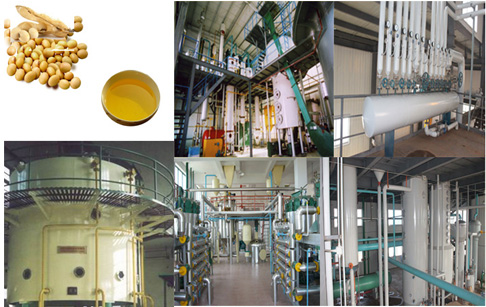
Incorporating this cutting-edge technology enables soybean oil producers to respond proactively to evolving market demands — increasing output, ensuring food-grade quality, and embracing eco-conscious manufacturing solutions.
 317
|
317
|
 low-energy peanut oil press
intelligent control system peanut oil press
high-efficiency peanut oil press
364
|
customized oilseed processing equipment
edible oil production solutions
advanced oil pressing technology
low-energy peanut oil press
intelligent control system peanut oil press
high-efficiency peanut oil press
364
|
customized oilseed processing equipment
edible oil production solutions
advanced oil pressing technology
 39
|
vegetable oil press machine low oil yield
oil press process optimization
pressing temperature and pressure control
oilseed pre-treatment moisture control
edible oil refining efficiency
39
|
vegetable oil press machine low oil yield
oil press process optimization
pressing temperature and pressure control
oilseed pre-treatment moisture control
edible oil refining efficiency
.jpg?x-oss-process=image/resize,h_300,m_lfit/format,webp) 313
|
plant and animal oil pressing technology
oil extraction efficiency improvement
advanced oil pressing techniques
oil production process optimization
small-scale oil pressing equipment
52
|
oilseed preprocessing equipment
efficient plant oil production solutions
comprehensive oilseed processing services
313
|
plant and animal oil pressing technology
oil extraction efficiency improvement
advanced oil pressing techniques
oil production process optimization
small-scale oil pressing equipment
52
|
oilseed preprocessing equipment
efficient plant oil production solutions
comprehensive oilseed processing services