Synergizing Efficient Pressing and Physical Filtration: A Practical Guide for Energy Reduction in Small and Medium-Sized Oilseed Enterprises
2025-09-30
Tutorial Guide
Discover how small and medium-sized oilseed enterprises can achieve over 30% energy savings and a 15% increase in oil yield through the integration of high-efficiency pressing and physical filtration technologies. This guide provides an in-depth analysis of pressing processes for common oil crops such as soybean, peanut, and palm oil, outlining key equipment parameters and operational strategies. Practical optimization tips and real-world case studies are included to help you enhance production stability while reducing operational costs.
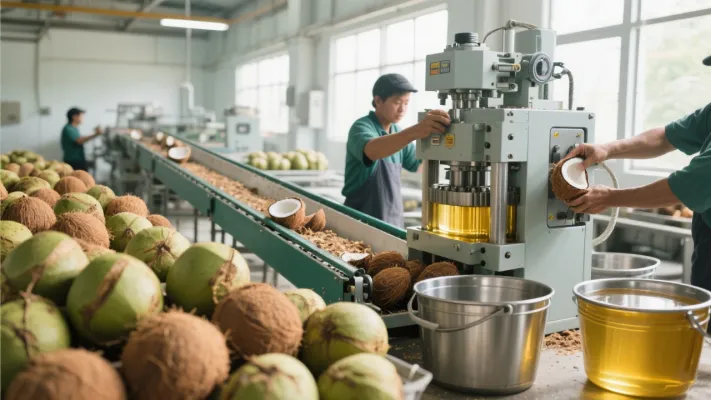
Maximizing Efficiency Through Synergy: High-Efficiency Pressing & Physical Filtration for Small and Medium-Sized Oil Enterprises
Are you struggling to reduce energy costs while boosting oil yield in your pressing operation? Many small and medium oil producers face the challenge of balancing operational efficiency with product quality. Leveraging the synergy between high-efficiency mechanical pressing and advanced physical filtration can unlock significant performance gains. This guide walks you through practical strategies proven to lower energy consumption by over 30% and increase oil yield by 15%, specifically within soybean, peanut, and palm oil processing.
Understanding Varied Oilseed Characteristics and Process Adaptation
Each oilseed demands tailored pressing parameters due to differing composition and hardness:
- Soybean: High protein content requires precise temperature control (80-90°C) to prevent denaturation whilst maximizing oil extraction.
- Peanut: Oil retention in kernels necessitates moderate pressing pressure (~30 MPa) plus gradual ramp-up timings.
- Palm: Thick pulp mass demands robust screw press design and steady filtration to remove suspended solids.
Applying these differentiated approaches helps maintain oil quality while optimizing output.
Leveraging Pressing & Filtration System Integration for Superior Recovery
Mechanical pressing and physical filtration aren’t isolated steps — their seamless collaboration is essential. High-efficiency presses reduce residual oil in the cake, while advanced filtration systems ensure clearer oil with fewer impurities. This interplay results in:
| Performance Metric |
Before Implementation |
After Implementation |
Improvement |
| Energy Consumption (kWh/ton oil) |
450 |
310 |
-31% |
| Oil Yield (%) |
38.5% |
44.5% |
+15.5% |
| Oil Quality (FFA %) |
0.8% |
0.5% |
Improved |
"Optimizing process integration rather than individual equipment alone is the key to unlocking sustainable production gains," shares Dr. Angela Morris, Industry Process Engineer with 15 years in edible oil technology.
Critical Equipment Parameters: The Control Levers of Efficiency
Fine-tuning temperature, pressure, and retention time yields tangible benefits:
- Temperature: Maintaining 85°C–95°C optimizes oil fluidity for easier separation but avoids excessive heating that degrades nutritional quality.
- Pressure: Adjust screw shaft pressure dynamically within 25–35 MPa to squeeze out oil completely without damaging press integrity.
- Retention Time: Control residence time within 30–45 seconds per batch phase to strike balance between extraction completeness and throughput.
How well you monitor and control these leverages greatly influences both energy usage and final oil characteristics.
Practical Tips for SMEs: Operation Optimization and Troubleshooting
Managing your pressing line effectively may seem daunting, but consider the following:
- Regularly inspect filtration elements—clogging can spike energy consumption by up to 20%
- Schedule screw replacement and shaft recalibration every 600-800 operational hours to maintain compression consistency
- Train operators on real-time parameter adjustment to respond swiftly to seed batch variability
- Implement simple data logging for temperature, pressure, and output yield to identify recurring bottlenecks
Energy & Yield Upgrade Case Study
A typical SME processing 100 tons/month of peanuts applied these recommendations:
- Upgraded screw press with adjustable pressure and integrated physical filtration unit;
- Optimized parameters to 90°C, 32 MPa pressure, 40s retention;
- Enhanced operator protocols and maintenance schedule.
Results within 3 months:
- Energy costs dropped by 35%, saving approximately $1,200 monthly
- Oil extraction rose from 39% to 45%, increasing sellable oil volume by 540 kg/month
- Reduced filtration downtime by 15%, improving production stability
Do you hesitate whether your current setup maximizes efficiency? Consider this: can a 30% energy reduction and 15% yield increase transform your profit margins? Efficiency gains at this scale are no longer experimental—they are within reach for your enterprise.
Discover How Our Fully Automated Oil Presses Integrate Seamlessly with Your Production Line
Your journey to optimized energy usage and oil quality starts with embracing the synergy of pressing and filtration technology. Take the next step now.






