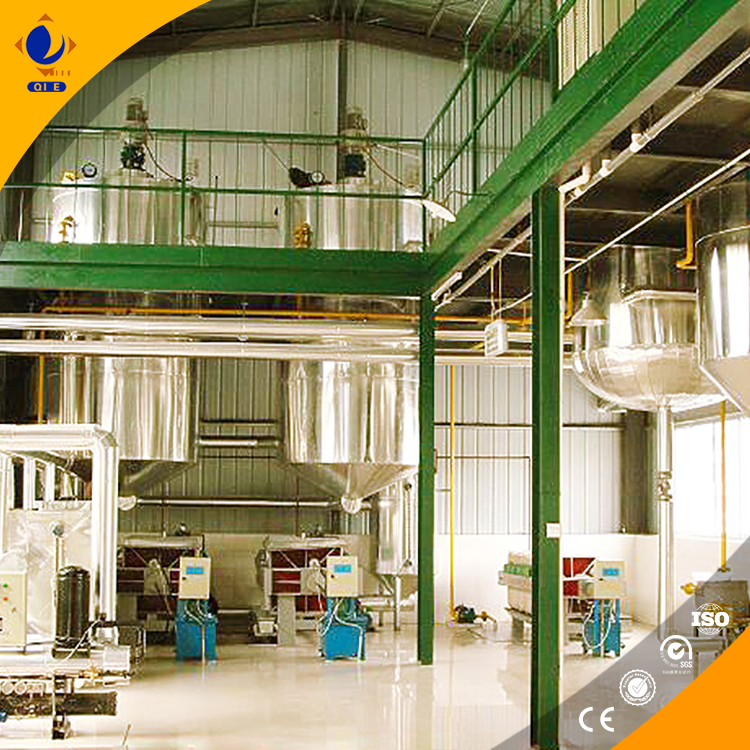
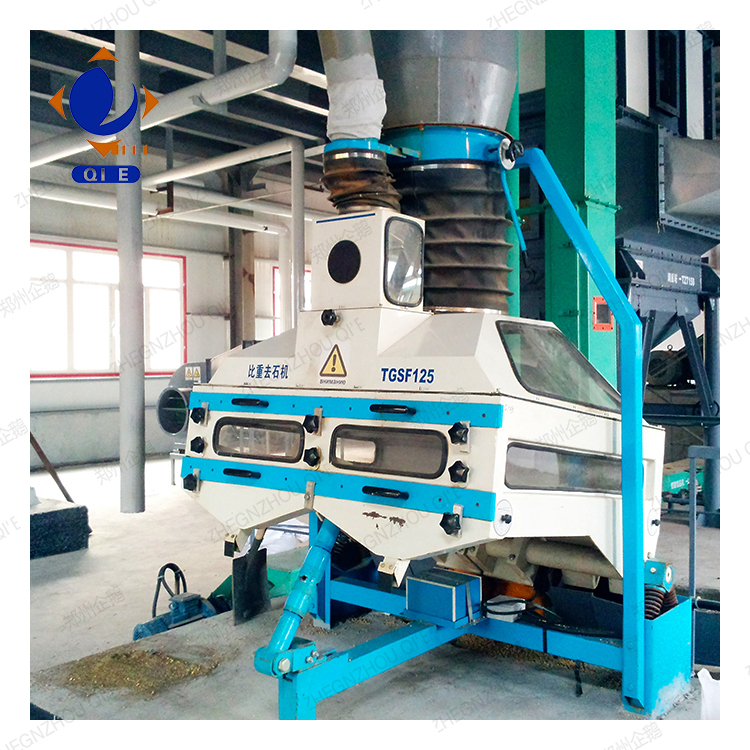
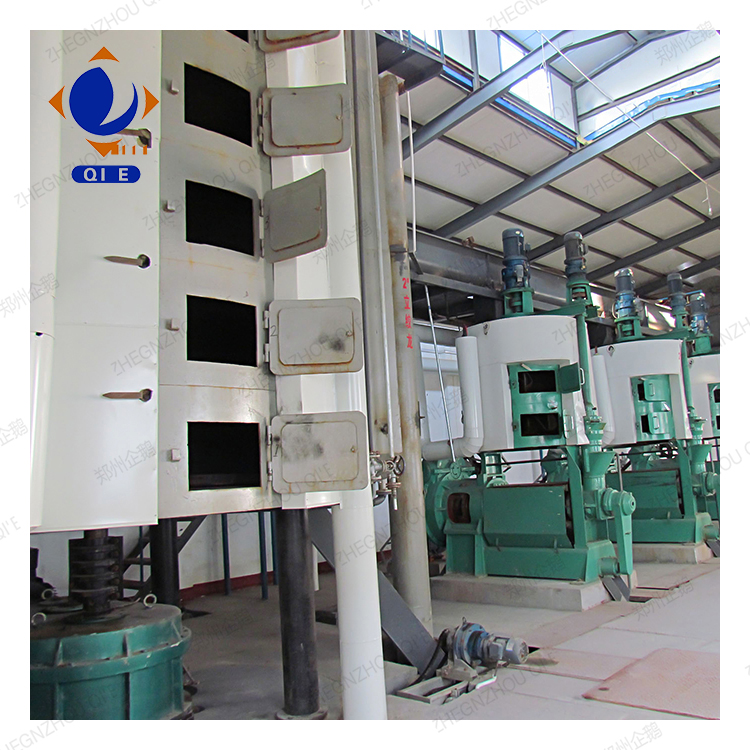
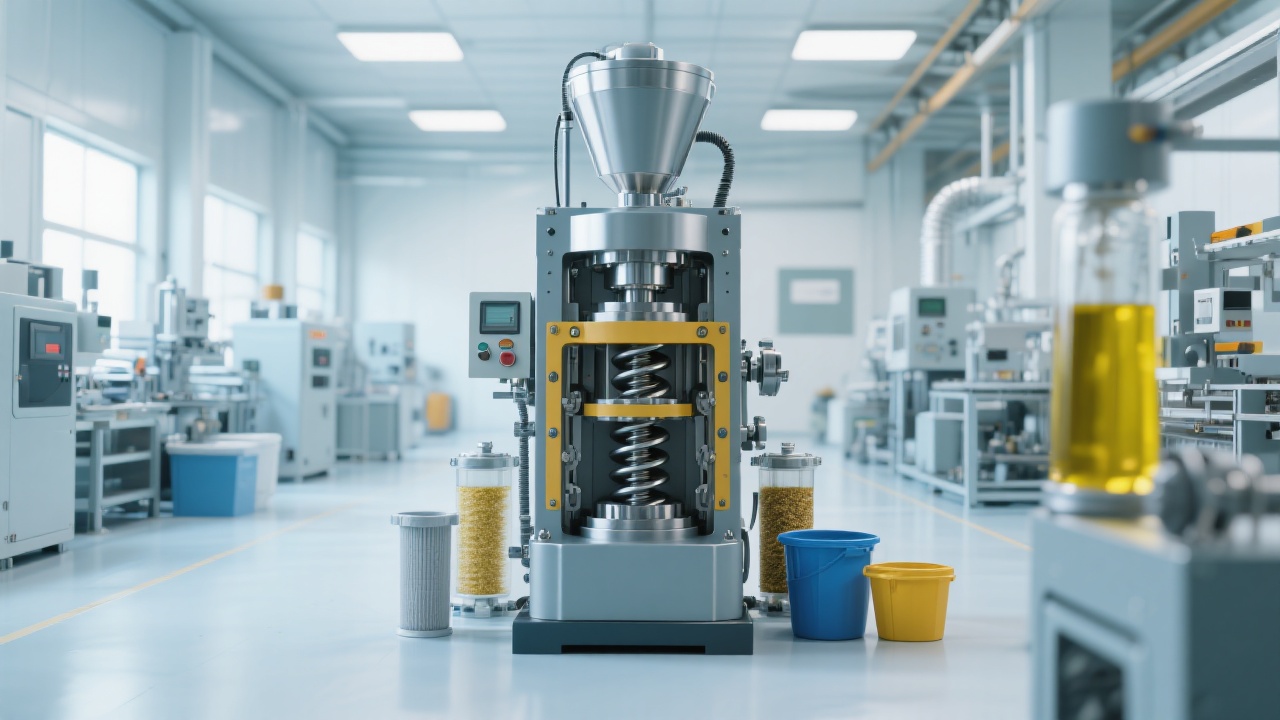
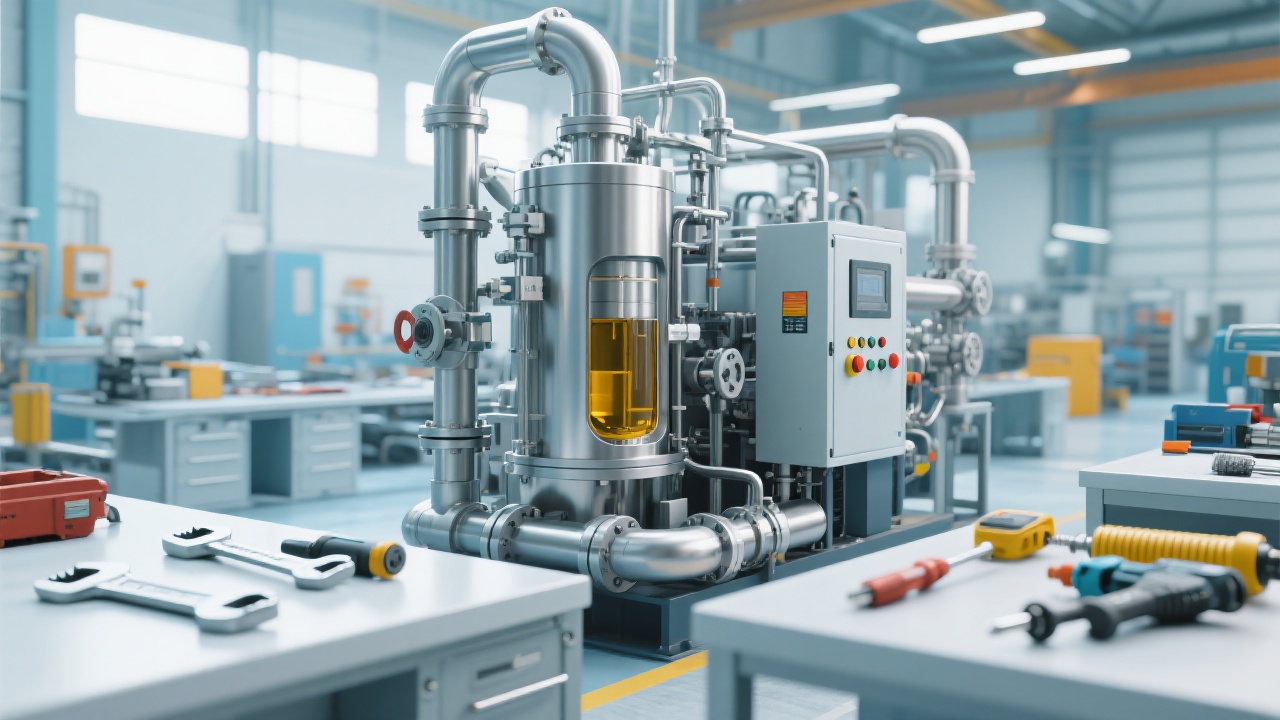
In the realm of corn germ oil production, the choice of pressing equipment significantly impacts a company's efficiency, product quality, and overall competitiveness. This article delves deep into the stark differences in performance and application between high - efficiency corn germ oil pressing machines and traditional corn germ pressing equipment.
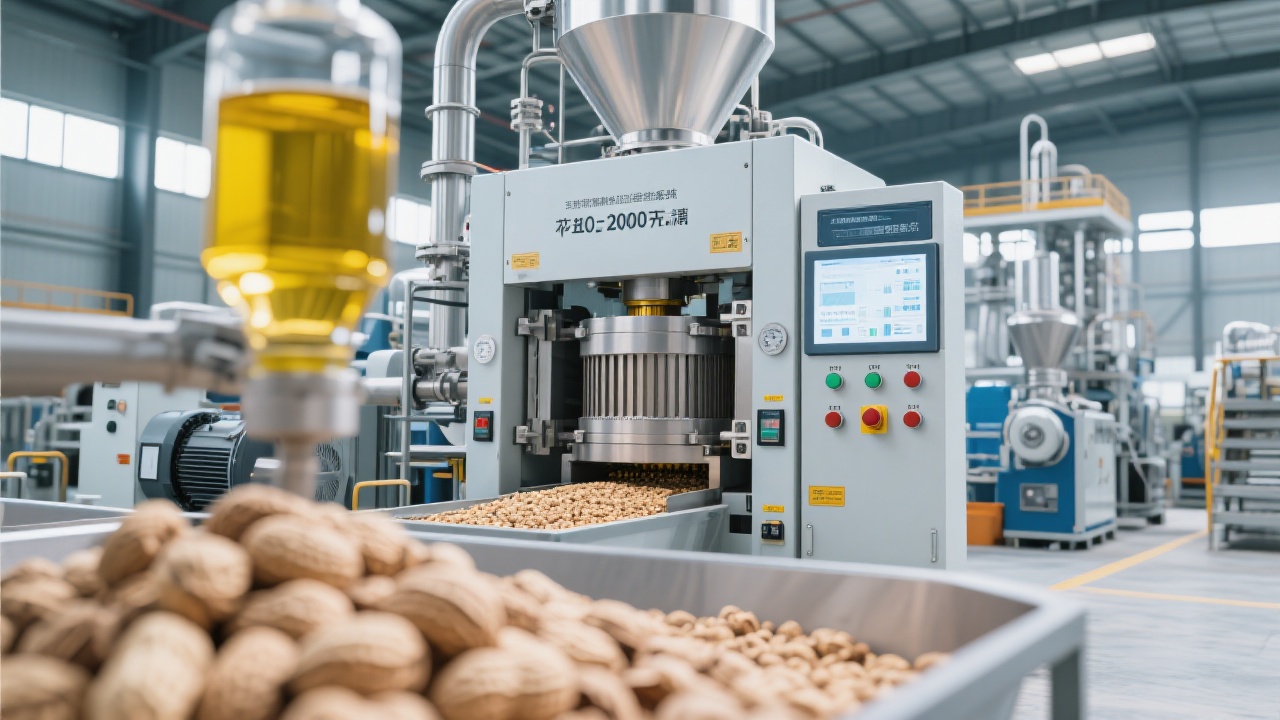
The high - efficiency corn germ oil pressing machine stands out due to its advanced physical pressing technology and intelligent temperature control system. These features play a crucial role in enhancing the oil extraction rate and the quality of the produced oil. According to industry data, high - efficiency pressing machines can achieve an oil extraction rate of up to 90%, while traditional equipment usually hovers around 70 - 80%. This significant difference directly translates into higher yields for businesses.
The intelligent temperature control system ensures that the oil extraction process occurs at an optimal temperature. By precisely regulating the temperature, the system can prevent the oil from being over - heated or under - processed, which helps to preserve the nutritional value of the oil and improve its flavor. For example, the high - efficiency pressing machine can maintain the temperature within a range of ±2°C during the pressing process, which is difficult for traditional equipment to achieve.
When it comes to efficiency, high - efficiency pressing machines far outperform traditional ones. They can process a larger amount of corn germ in a shorter time. A high - efficiency machine can process up to 5 tons of corn germ per hour, while a traditional machine can only handle about 1 - 2 tons per hour.
In terms of oil quality, the high - efficiency pressing machine produces oil with lower acid value and peroxide value. The acid value of the oil produced by the high - efficiency machine can be as low as 0.2 mg KOH/g, while that of the traditional machine is around 0.5 - 0.8 mg KOH/g. This indicates that the oil from the high - efficiency machine has better stability and longer shelf - life.
Regarding equipment stability, high - efficiency pressing machines are designed with more advanced materials and manufacturing processes. They have a lower failure rate and longer service life. On average, a high - efficiency machine can operate continuously for 20,000 hours without major breakdowns, while a traditional machine may need maintenance or repair after 10,000 hours of operation.
One of the remarkable features of high - efficiency corn germ oil pressing machines is their flexibility in adapting to different production scales. Whether it is a small - scale workshop or a large - scale industrial production line, the high - efficiency pressing machine can be well - integrated. For small - scale producers, a compact high - efficiency pressing machine can meet their daily production needs with relatively low investment. For large - scale enterprises, multiple high - efficiency machines can be combined to form a high - capacity production line.
In small - scale production, the high - efficiency pressing machine can be used in local oil mills or family - owned businesses. It can produce high - quality oil for local markets, meeting the demand for natural and healthy oils. In large - scale industrial production, the machine can be integrated into a fully automated production line, improving the overall production efficiency and reducing labor costs.
After - sales technical support and maintenance are essential for ensuring the long - term efficient operation of the equipment. A reliable manufacturer will provide comprehensive technical support, including installation guidance, operator training, and troubleshooting. They also offer regular maintenance services to ensure that the equipment is always in good working condition.
For example, some manufacturers provide 24/7 online technical support, so that users can get timely help when they encounter problems. They also offer on - site maintenance services within 48 hours in most regions. This kind of after - sales service can minimize the downtime of the equipment and ensure the continuous operation of the production line.
Through professional technical interpretations and real - world case studies, this article aims to help users scientifically evaluate the value of equipment upgrades and make informed purchasing decisions. If you are looking to enhance your oil and grain processing competitiveness, don't miss the opportunity to upgrade your equipment.
 266
|
266
|
 Automated peanut oil pressing equipment
Improvement of oil extraction efficiency
Equipment maintenance guide
Peanut oil production technology
Integrated oil pressing equipment
Automated peanut oil pressing equipment
Improvement of oil extraction efficiency
Equipment maintenance guide
Peanut oil production technology
Integrated oil pressing equipment
 289
|
seed preprocessing technology for vegetable oil
efficient oilseed processing solutions
innovative vegetable oil extraction systems
289
|
seed preprocessing technology for vegetable oil
efficient oilseed processing solutions
innovative vegetable oil extraction systems
 359
|
oil press equipment selection
small and medium oil mills
oil extraction efficiency improvement
multifunctional oil press machine
oil production machinery
359
|
oil press equipment selection
small and medium oil mills
oil extraction efficiency improvement
multifunctional oil press machine
oil production machinery
 235
|
automatic peanut oil press machine
small peanut oil production line
peanut oil press installation tips
oil press machine troubleshooting
peanut oil extraction process
235
|
automatic peanut oil press machine
small peanut oil production line
peanut oil press installation tips
oil press machine troubleshooting
peanut oil extraction process
 33
|
oil press equipment selection
small oil processing plant equipment
oil pressing efficiency improvement
automatic oil press machine
oilseed processing solutions
33
|
oil press equipment selection
small oil processing plant equipment
oil pressing efficiency improvement
automatic oil press machine
oilseed processing solutions