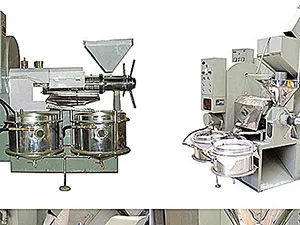
Achieving optimal oil yield during vegetable oil pressing is crucial for maximizing production efficiency and profitability in the edible oil processing industry. This comprehensive analysis covers essential technical principles behind pressing and refining processes and provides actionable insights into advanced pressing technologies, automation controls, and eco-friendly mechanisms designed to boost extraction rates. Grain and oil processing plants, equipment operators, and SME decision-makers will benefit from this in-depth resource aimed at elevating both product quality and operational performance sustainably.
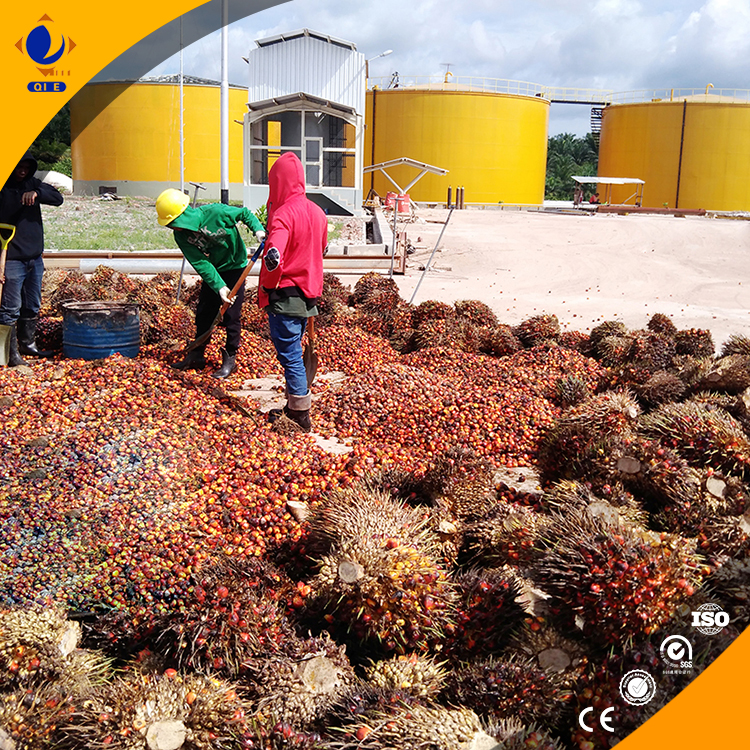
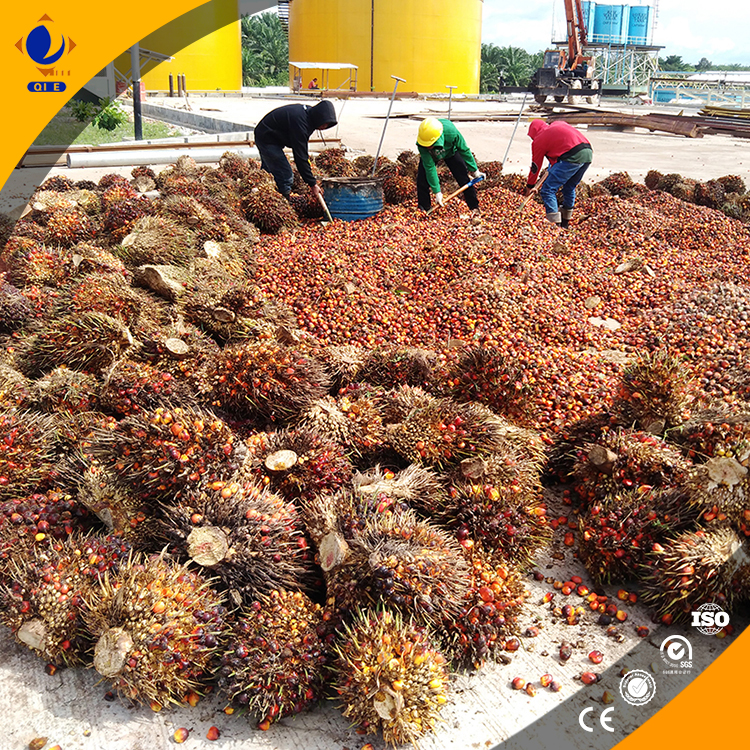
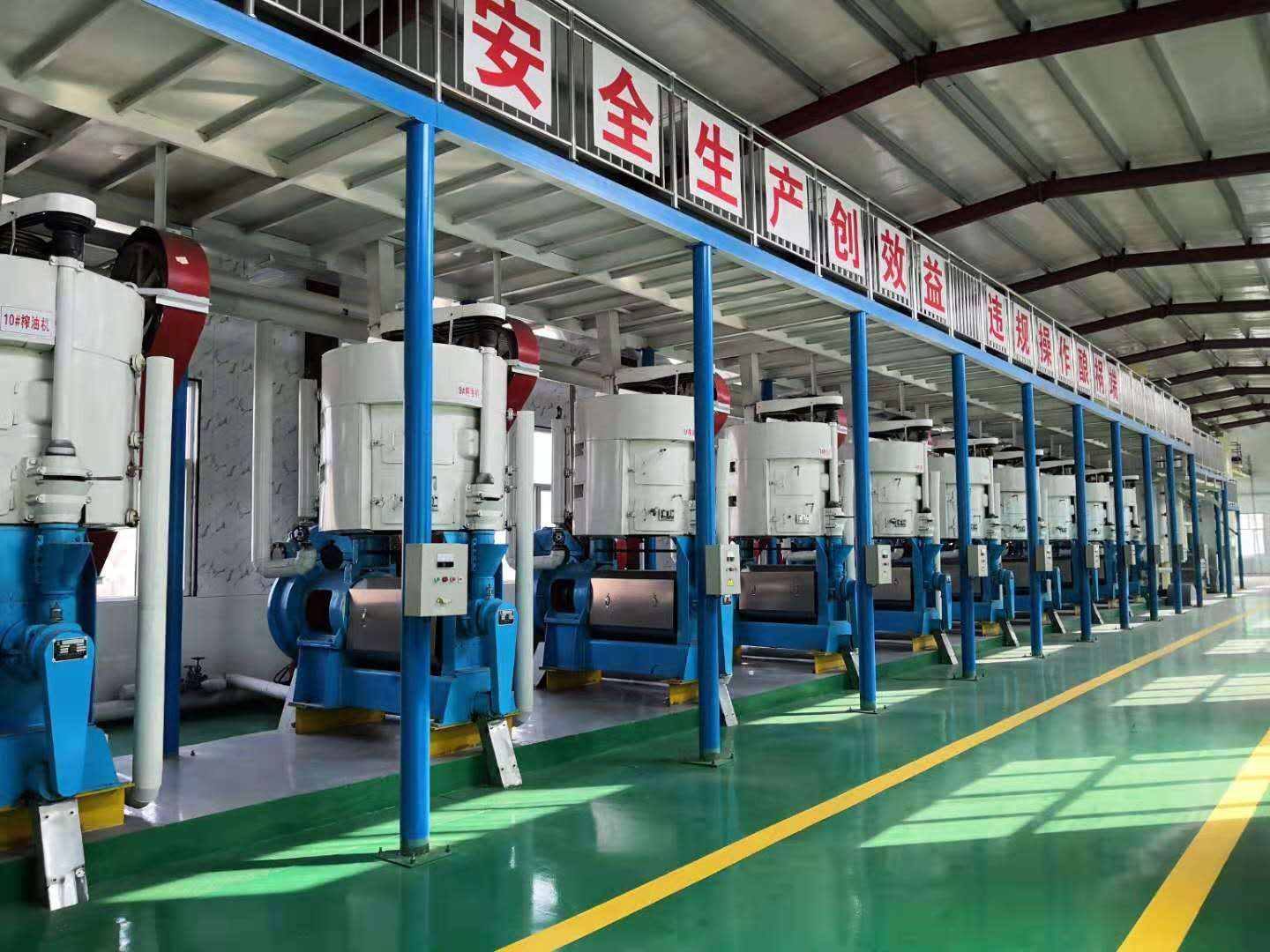
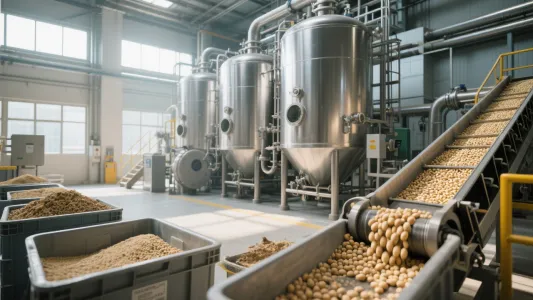
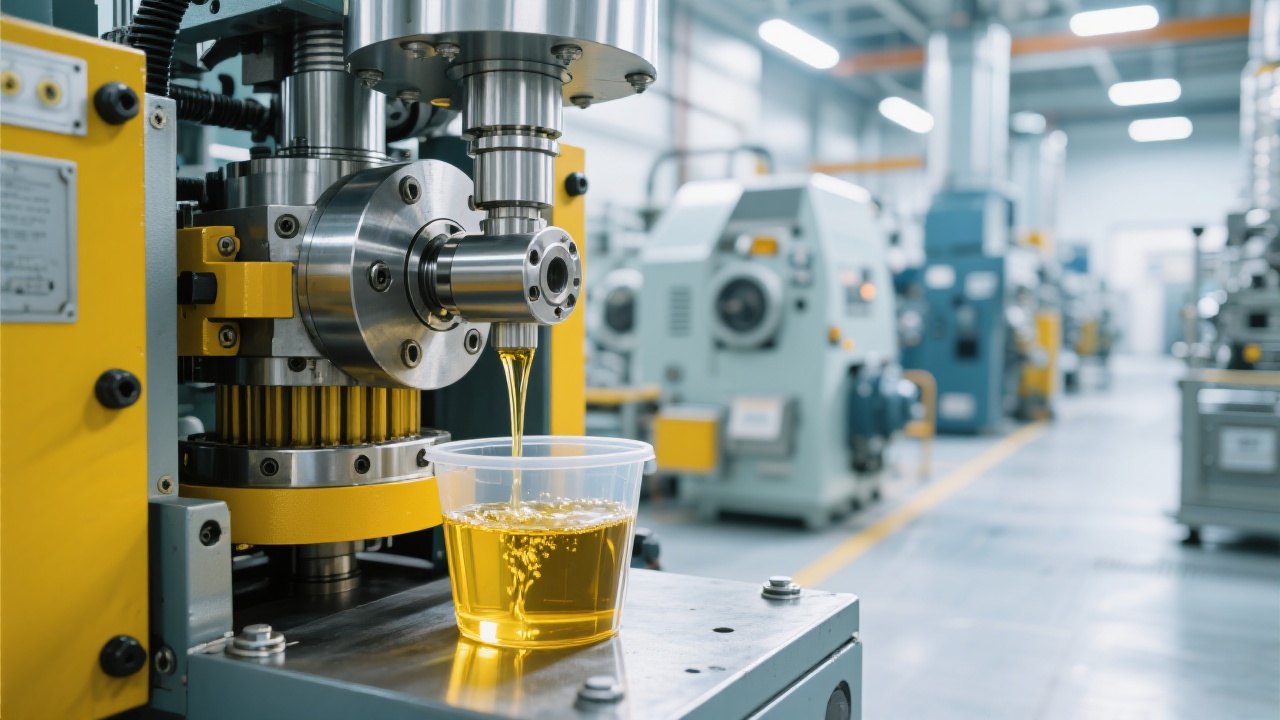
The principal stage in vegetable oil production is the mechanical pressing of oilseeds, which involves applying controlled pressure to release oil. The pressing workflow typically includes seed preparation, conditioning, pressing, and primary filtration. Modern equipment combines robust press screws with adjustable pressure chambers to optimize throughput and extraction efficiency.
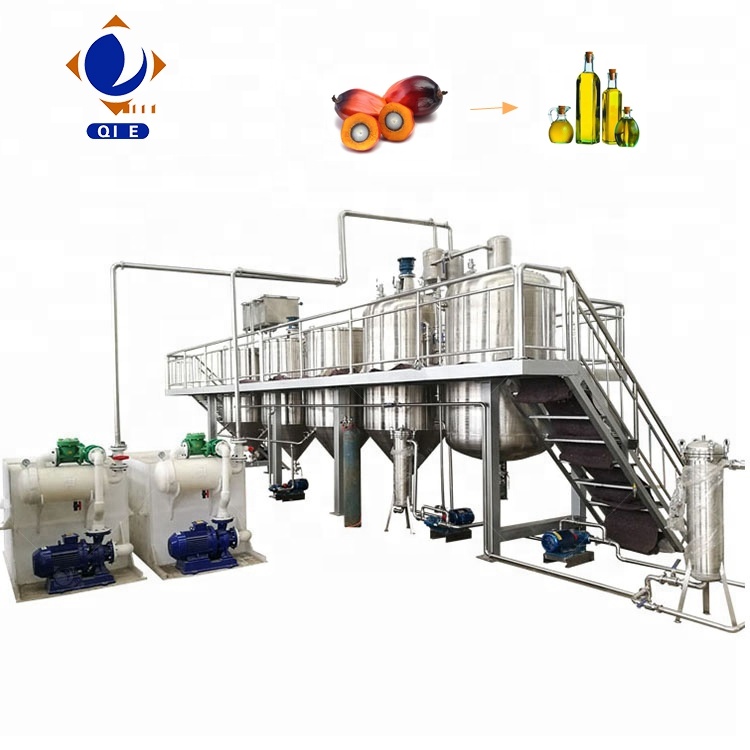
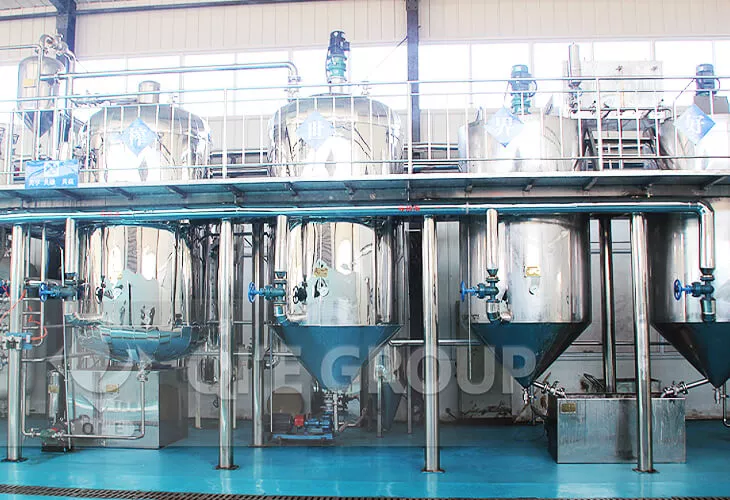
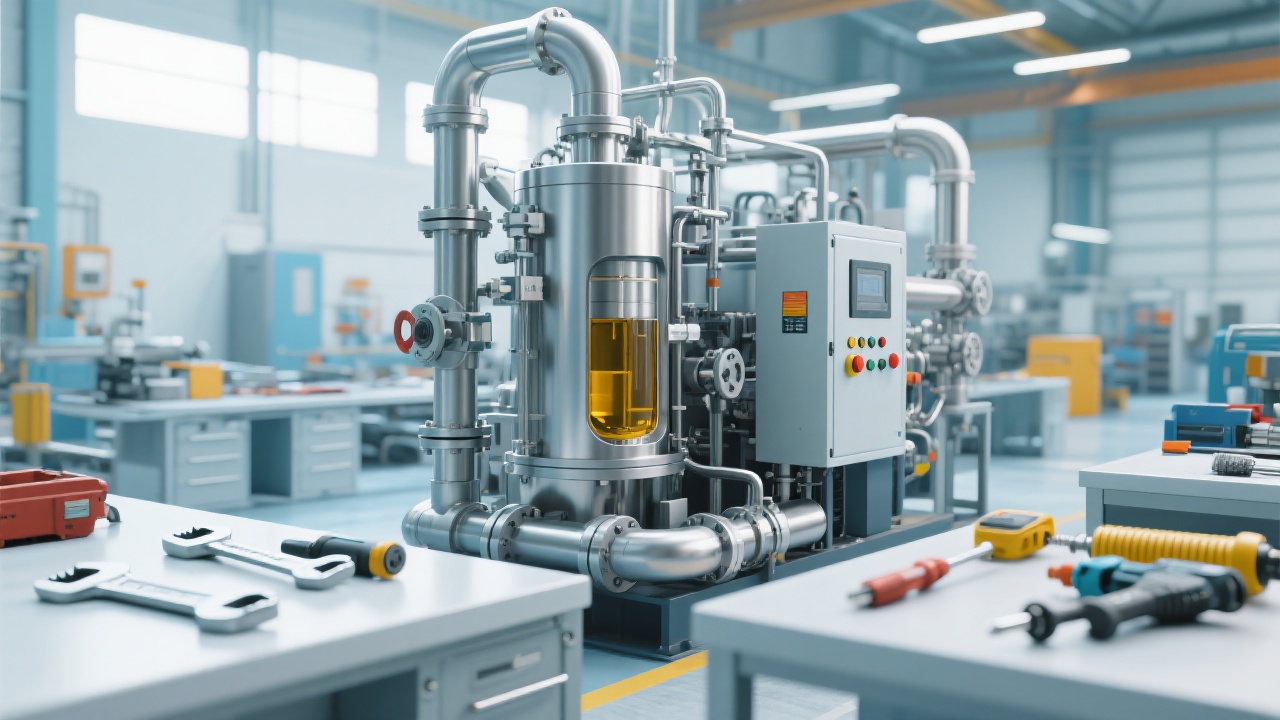
Following pressing, the crude oil undergoes refining to remove impurities, free fatty acids, and colorants — enhancing oil stability and consumer appeal. Refining stages commonly incorporate degumming, neutralization, bleaching, and deodorization, each demanding precise temperature and processing time control to maintain oil integrity.
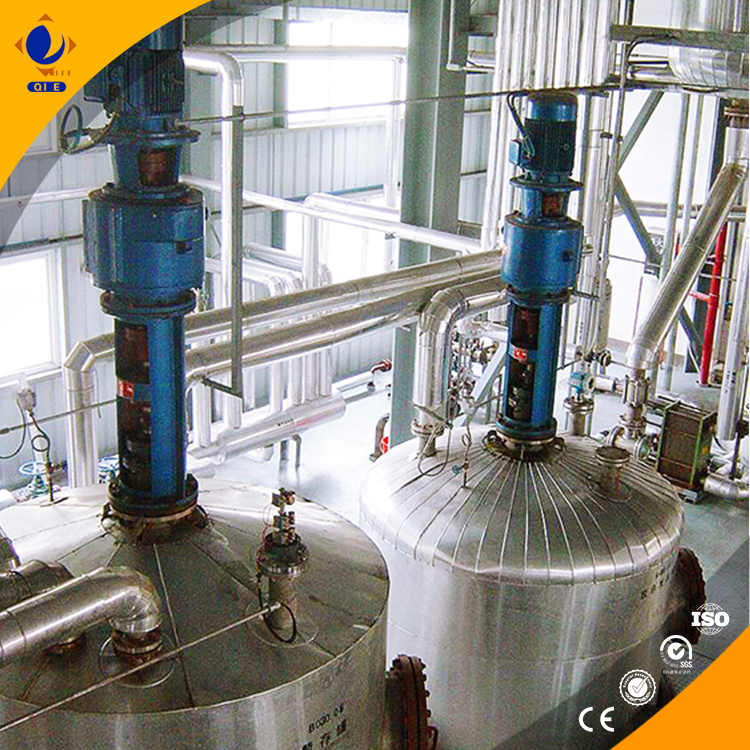
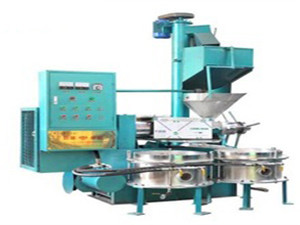
Recent advancements in pressing machinery emphasize energy-saving designs and intelligent automation. Key features include:
Adopting such equipment allows processors to achieve oil yields exceeding 95% of the theoretical maximum, a significant improvement over traditional static presses which often linger around 85–90%. These gains translate directly to cost savings and enhanced production throughput.
Automated control systems constitute an indispensable element in modern vegetable oil production lines. PLC-based controllers integrated with SCADA interfaces enable operators to:
Implementing such controls has been shown to reduce downtime by up to 20% and cut energy costs by approximately 15%, contributing substantially to the plant’s bottom line.
With increasing regulatory pressure and global emphasis on sustainable industry practices, energy-efficient and environmentally friendly technologies are gaining prominence. Effective approaches include:
These technologies not only reduce environmental impact but enable processors to qualify for green certifications, opening doors to premium market segments.
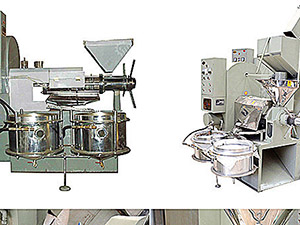
Ensuring continuous high oil yield requires regular maintenance and skilled operation. Key recommendations include:
Empowering technical teams through comprehensive training on these practices leads to higher equipment uptime and consistent product quality.

Adherence to food safety and production standards is non-negotiable. Plants must ensure:
Integrating these safety practices safeguards consumer confidence and reduces risks of costly recalls or regulatory penalties.
We invite your questions and case experiences regarding pressing challenges or innovative solutions you have implemented. Sharing practical insights can help elevate industry standards and foster a community of continual improvement.
 177
|
177
|
 oil press efficiency optimization
physical filtration in oil extraction
oil recovery rate improvement
automatic oil press operation
vegetable oil pressing process
oil press efficiency optimization
physical filtration in oil extraction
oil recovery rate improvement
automatic oil press operation
vegetable oil pressing process
 228
|
oil extraction equipment selection
small medium oilseed enterprise machinery
oil pressing efficiency improvement
fully automatic oil press
multifunctional oil extraction machine
228
|
oil extraction equipment selection
small medium oilseed enterprise machinery
oil pressing efficiency improvement
fully automatic oil press
multifunctional oil extraction machine
 156
|
High Efficiency Peanut Oil Press Machine
Automated Oil Press Machine for Palm Oil
Peanut Oil Press Machine for Large Scale Production
Eco-Friendly Peanut Oil Press Machine Solutions
Reliable Oil Press Machine with Global Support
Durable Peanut Oil Press Machine with Warranty
Peanut Oil Press Machine for Small Businesses
Versatile Oil Press Machine for Diverse Oil Processing
Peanut Oil Press Machine - Advanced Technology
156
|
High Efficiency Peanut Oil Press Machine
Automated Oil Press Machine for Palm Oil
Peanut Oil Press Machine for Large Scale Production
Eco-Friendly Peanut Oil Press Machine Solutions
Reliable Oil Press Machine with Global Support
Durable Peanut Oil Press Machine with Warranty
Peanut Oil Press Machine for Small Businesses
Versatile Oil Press Machine for Diverse Oil Processing
Peanut Oil Press Machine - Advanced Technology
 319
|
Peanut Oil Press Machine
Automatic Peanut Oil Press Machine
Multi-functional Peanut Oil Extractor
High Efficiency Peanut Oil Press
Peanut Oil Extraction Equipment
Professional Peanut Oil Press Machine
Cost-effective Peanut Oil Press
Eco-friendly Peanut Oil Press Machine
ISO Certified Peanut Oil Press
319
|
Peanut Oil Press Machine
Automatic Peanut Oil Press Machine
Multi-functional Peanut Oil Extractor
High Efficiency Peanut Oil Press
Peanut Oil Extraction Equipment
Professional Peanut Oil Press Machine
Cost-effective Peanut Oil Press
Eco-friendly Peanut Oil Press Machine
ISO Certified Peanut Oil Press
 146
|
small-scale palm oil production line
palm oil yield improvement
hot and cold pressing technology
304 stainless steel oil press
customized palm oil extraction equipment
146
|
small-scale palm oil production line
palm oil yield improvement
hot and cold pressing technology
304 stainless steel oil press
customized palm oil extraction equipment
.jpg)